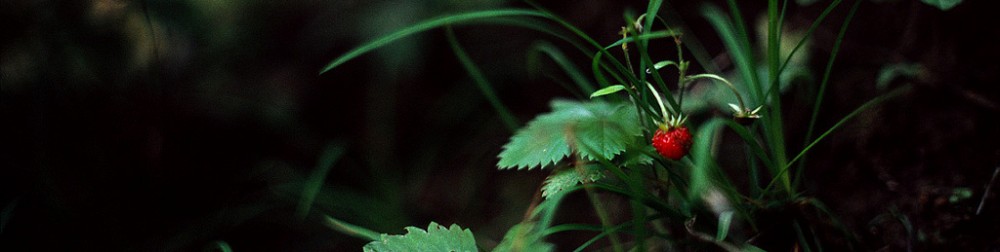
One of the most absurd things I’ve heard in the context of photography recently is the fact that the most popular and effective way of scanning film is using a digital camera with a macro lens and a film holder. Essentially, instead of a linear CCD scanner they are now using a modern digital camera in order to produce a digital file from film, instead of just using the digital camera to take the picture in the first place.
However, you can’t argue with the results. My son uses this technique after attempting to resurrect some ancient Minolta SCSI scanner that produced inferior results. The “scans” produced with Sony A7RV are in fact among the best I’ve seen anywhere. Which, of course, leads to a conclusion that film is obviously a sub-set of a modern digital camera’s capability.
It’s not something that I didn’t know already, but it gives you an idea why I’m no longer tempted to play with film. Other than the nostalgic element of working with my old gear again, which is really minimal, film doesn’t actually do anything for me that I couldn’t get with my digital cameras.
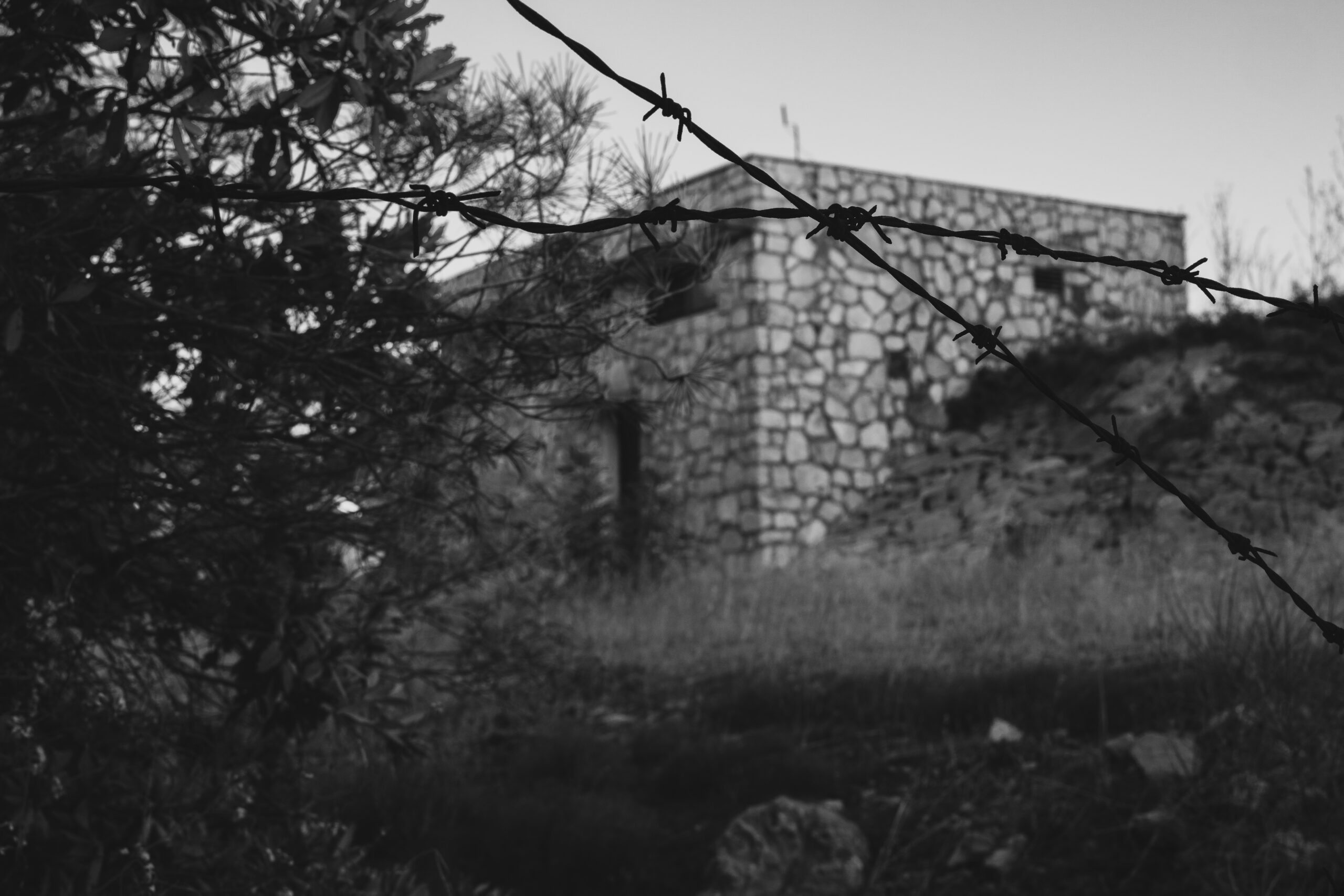
Ilford Delta… sort of 🙂
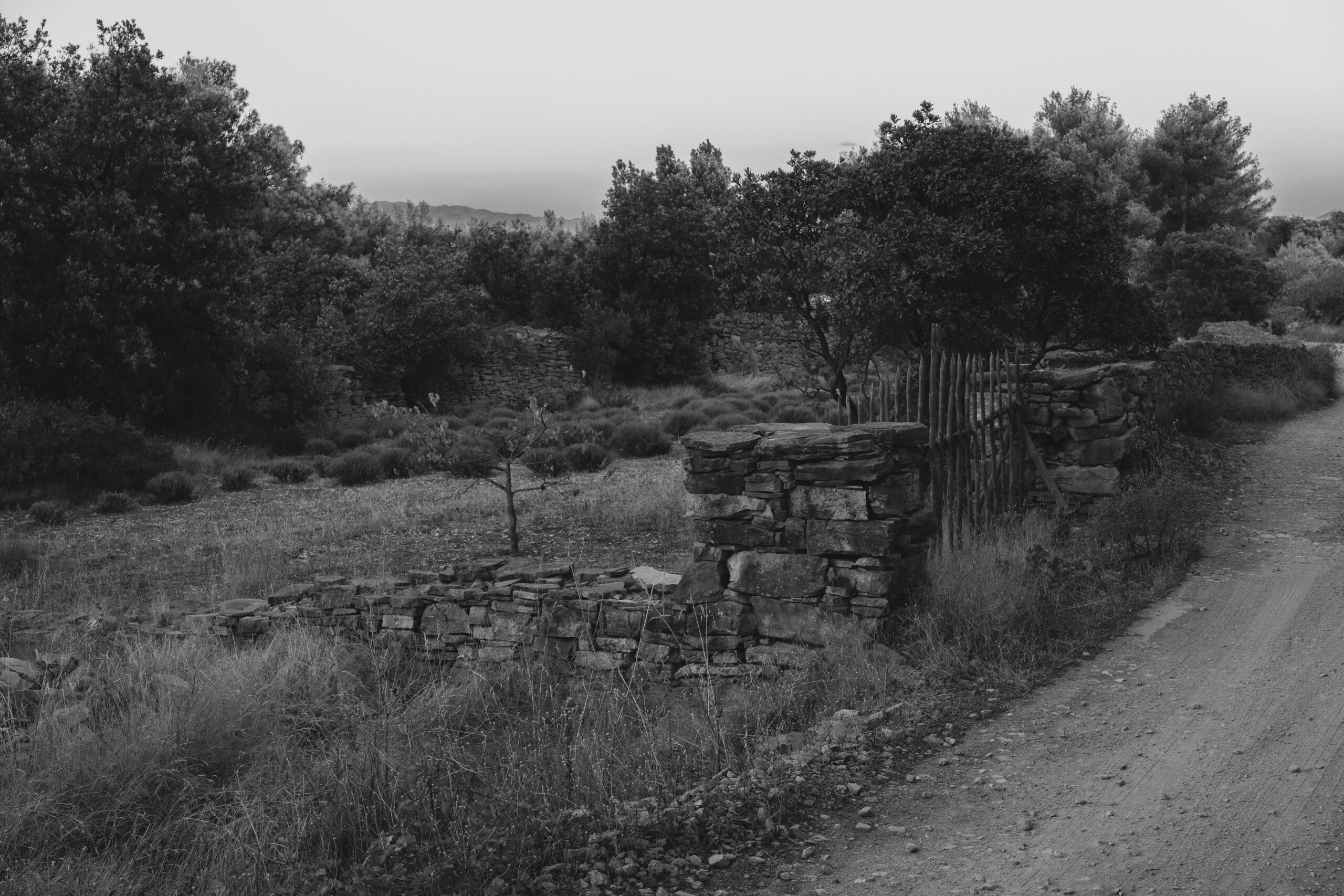
Which brings us to an interesting point. I do, in fact, occasionally process my pictures in B&W, sepia or aiming for a certain look of a certain film process or a specific emulsion. That’s because those things were not merely technical limitations; sometimes they were actual artistic choices. Some things look better in black and white. Some things look better in bold, strong colours of Velvia or E100VS. Some things look better in a gentle pastel of Portra. The look of different film processes still has a place. However, since it’s all a subset of what a modern digital sensor can do, proven by the fact that the digital sensor is the best way to scan all kinds of film, it’s all a matter of a processing profile in Lightroom.
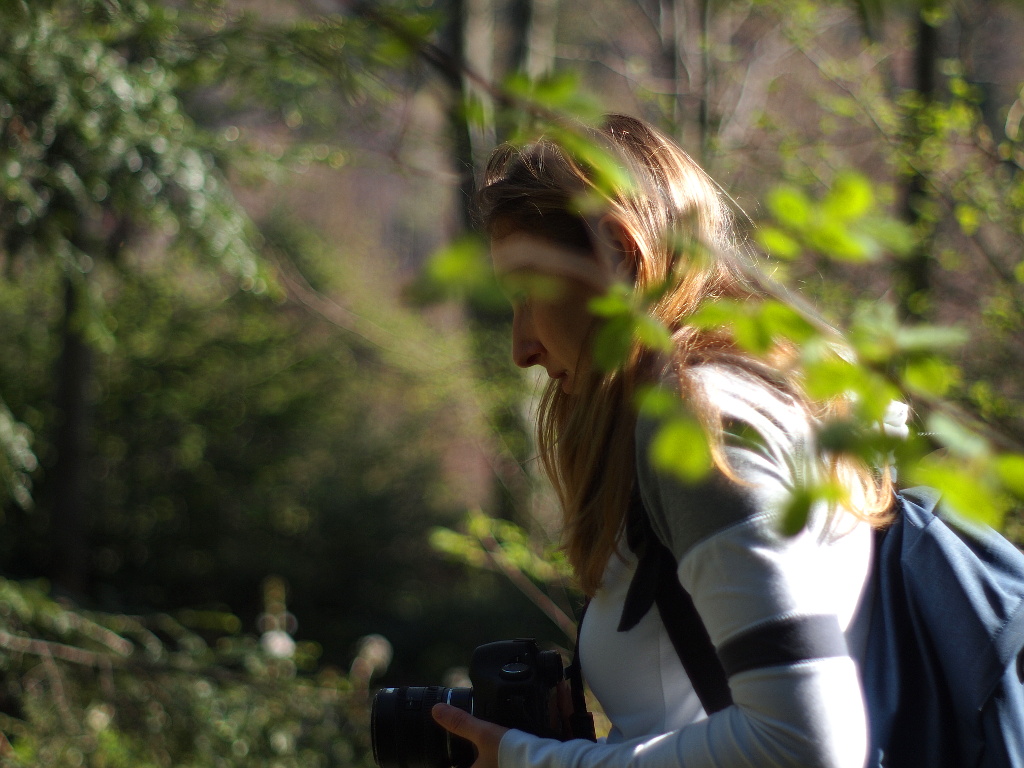
Only film can… oh.
I strongly dislike those garish, colour-faded or shifted profiles that are supposed to look like film; they look like film prints and negatives that have been left somewhere in a hot attic for 20 years, not like film as I remember it. They look like the end-result of decay of a technology that didn’t stand the test of time. I prefer to process things in ways that look like film when it’s fresh, crisp, with vivid and realistic colours, fresh from the lab and into the scanner.

Kodak EB2… not really 🙂
And the best thing about digital is that I no longer need either the lab or the scanner. I no longer need to fuss over availability or price of emulsions. I no longer have to fuss over freshness of the chemicals in a lab, or someone’s fingerprints on my slides, or dust and scratches. I’m getting a pristine, first-generation image, and then if I decide it would look better as Sensia, Velvia, T-Max or something from Ilford, it’s actually an artistic choice, not a technical necessity. However, the film isn’t dead; as long as we remember what it looked like.

Actually film; Sensia 100, MC 135mm f/2.8 Rokkor