I’ve seen an interesting video from a photographer who got annoyed by all the stupid “rules for photography” stuff that can be found online.
Basically, it’s the “if you’re serious about photography, you’ll use primes, use only the manual mode, compose in thirds, not shoot from standing perspective” and so on. Instead, he argues that most professionals use zooms because they are good and they are also less likely to leave you without a proper lens for the shot; that manual mode is basically relying on camera’s metering with extra steps, and you should use either aperture or shutter priority instead for most cases, and go to manual only if you’re shooting flowing water or astrophotography. Also, that composition is far more complex than the thirds or the golden ratio, and that it’s about the symmetry, weight, lines that go through the frame and so on. It’s not that you first need to learn the rule of the thirds and then learn to break it, it’s that the rule sucks in the first place because it’s simplistic. For instance, central composition is usually derided as boring, but it’s sometimes exactly how you need to compose the shot. For instance, if it’s a portrait and you want your subject to look into the audience and metaphorically make eye contact, central composition is how it’s done. The famous shot of the Afghan girl is the case in point.

Also, if you saw something from a standing perspective and found it striking, then that’s the perspective it needs to be shot from.
I get where he’s coming from. I personally always found it annoying when beginners read a book or a tutorial on photography and then they’re suddenly the resident forum experts on composition, sharpness and everything. The rule of the thirds, in particular, is particularly annoying because it works often enough that it looks like a rule, but it is in fact a very crude approximation for a complex perceptual geometry which includes all kinds of things, like lines going through the frame, weight of certain elements that need to be balanced with other elements, connection between the elements, colour and light, and also the intent of the picture itself. It’s usually said that the placement of the subject on the side-third makes the image dynamic. However, what if you want to portray serenity and calm? What if “dynamic” is actually something you don’t want in that picture? Suddenly, that rule of the thirds doesn’t help. Also, one of the important things is to follow the subject’s eyes with the composition. If you’re taking a portrait, and you want to create negative space in the direction where the subject is looking. However, if the subject is looking into the camera, a central composition might be ideal. So, basically, you need to know what you’re doing and how the image will look on the wall, and not blindly follow some set of rules meant for beginners to get their way around things.
Also, the zooms. I absolutely agree that the wedding photographers and photojournalists prefer them, and that they should, because they are a better tool for the job. Also, I prefer zooms for landscape photography, and most landscape photographers agree. On the other hand, if I’m using a zoom, and I’m constantly at the longest focal length, wide open, then I’m actually using a poor substitute for a prime. If I’m using a 24-105mm f/4 at 105mm f/4, and I’m shooting closeups, what I actually need is a 100mm f/2.8 macro. If I’m constantly using a 16-35mm f/4 zoom at its widest focal length, why not just use a 16mm prime? Primes are better for people who know what they are doing, and for situations where they have things under control – they know what will happen, and what focal length is good for that. You need to have enough experience to formulate your preferences, and even then, your preference can be for a zoom, at least in some situations. So, it’s another thing where it depends. However, when I say “knowing what they are doing”, you need to understand it in context – sometimes not knowing what you’re doing is the whole point of a job. Things change, they can be unpredictable, and by definition you don’t know what you’re doing. If you’re taking pictures of riots, framing can change from wideangle to telephoto in a hurry. If you’re shooting weddings, framing can be an intimate portrait at one moment, and a dynamic wide shot the next. However, if you’re in control, for instance in a studio, or a specific set, or you’re working with a model outside, you by definition know what you’re doing and you can choose a specific lens for the task, that’s going to do that one thing well. So, a choice is not between a zoom and a bag of primes. It’s between a zoom, and a prime that does that one thing you intend to use the zoom for, only better.
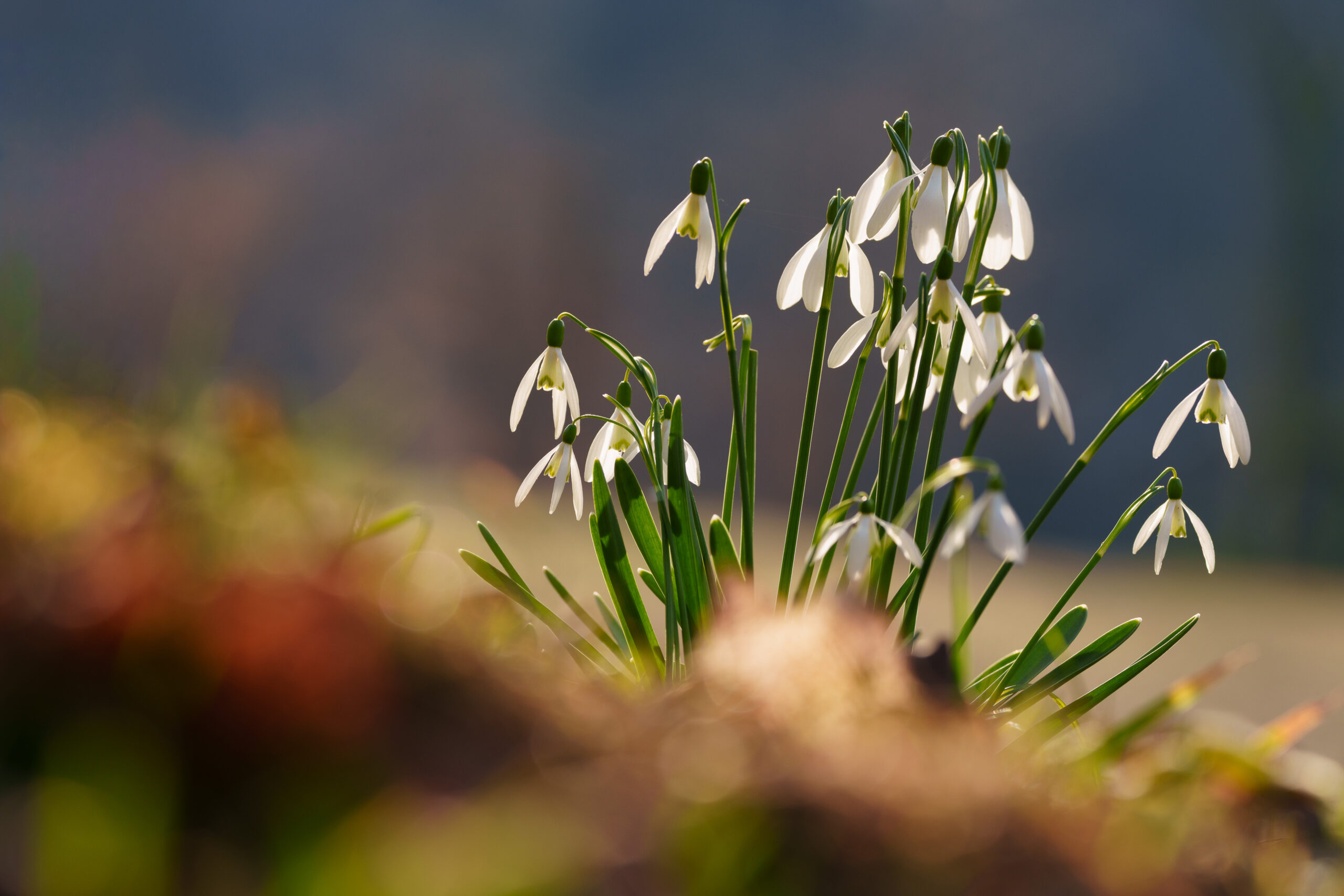
As for the perspective; sure, standing perspective is great for shooting cityscapes, or crowds, or people in context, doing people things. However, if you want to take a picture of a child doing child things, better kneel to their perspective and get into their world. If you’re taking a picture of a flower, get into the flower’s world, because from your perspective it will look insignificant. From the flower’s perspective, it’s the centre of the world and it matters.