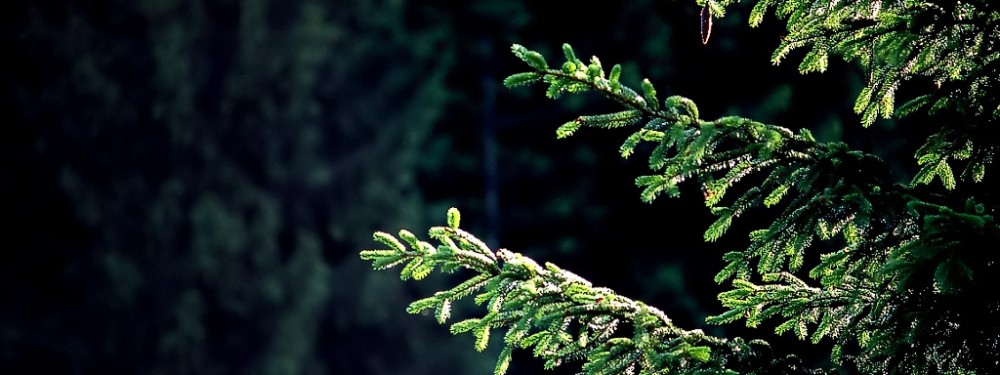
Israel and America struck Natanz nuclear facility in Iran.
In return, Iran struck Dimona, probably hitting scientists and technicians who work there, but not the nuclear reactor itself.
America and Iran are exchanging ultimatums as to what will happen if the other side doesn’t bend over.
Panic is starting over fuel prices.
Me, I’m testing the new Sigma 24mm f/3.5 DG DN, on the Sony A7RV because A7CR is still in the mail. It’s good that I bought it, because A7RV isn’t a light camera by any means. It isn’t big, but it’s heavy, quite on par with something like the Olympus E-1 dSLR which was basically made of aluminium ingot. A7CR is closer in size and weight to Olympus E-410.
The problem with using a wideangle as your walkaround lens is that everything is sharp, which means you compose scenes where one actually gets to see the whole scenery. That’s what you actually want when you’re a tourist and you want to show where you were, but when you take pictures of your back yard as I usually do, things get repetitive very quickly, as you take pictures of the same things again and again.

There are only so many times you can pull this off.
The lens itself is, as expected, sharp, with excellent colours and contrast, very resistant to flare and chromatic aberrations, and does everything great. It basically produces the same image quality as my Zeiss 16-35mm f/4, only stuck at the middle of its range, and much smaller and lighter.
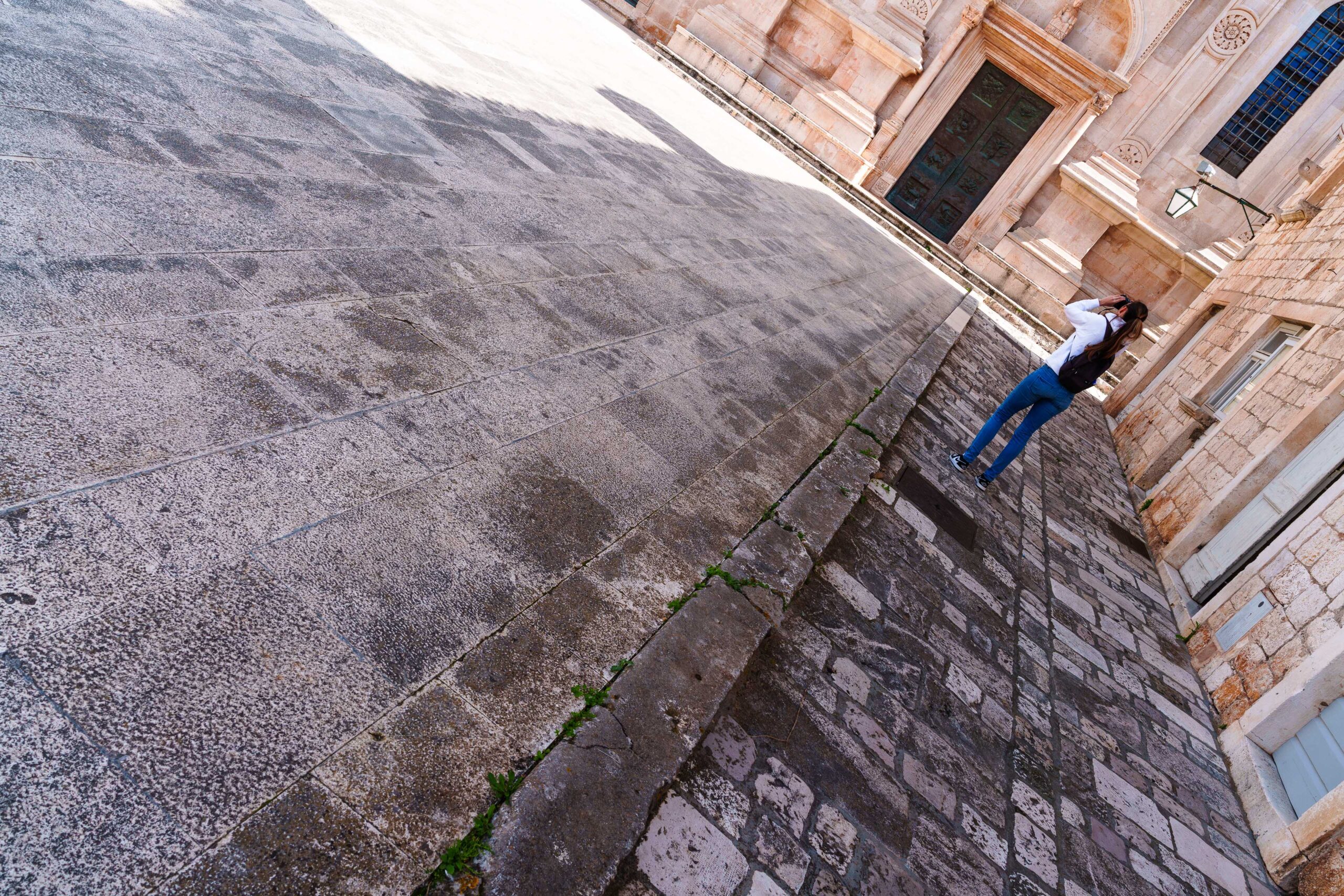
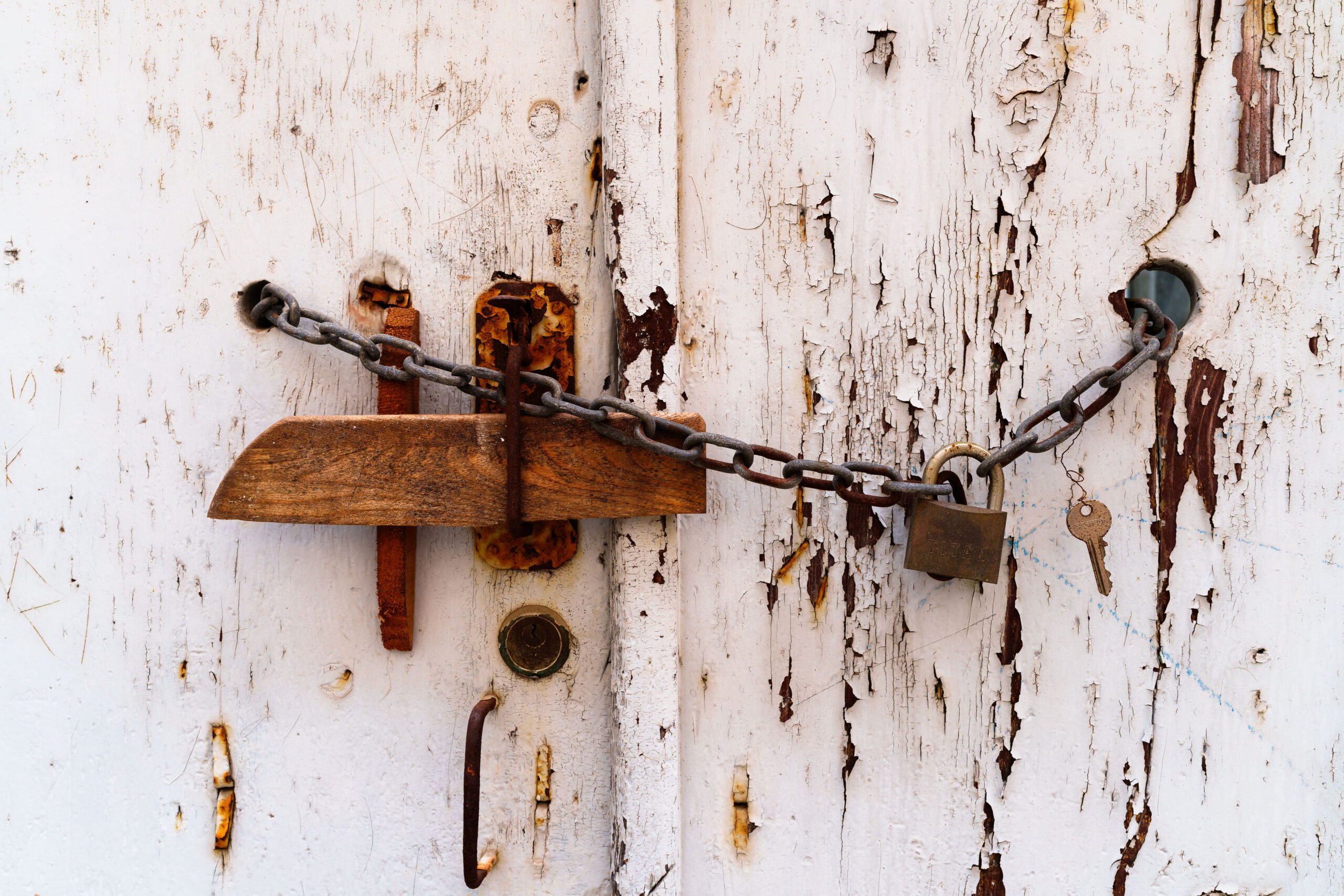
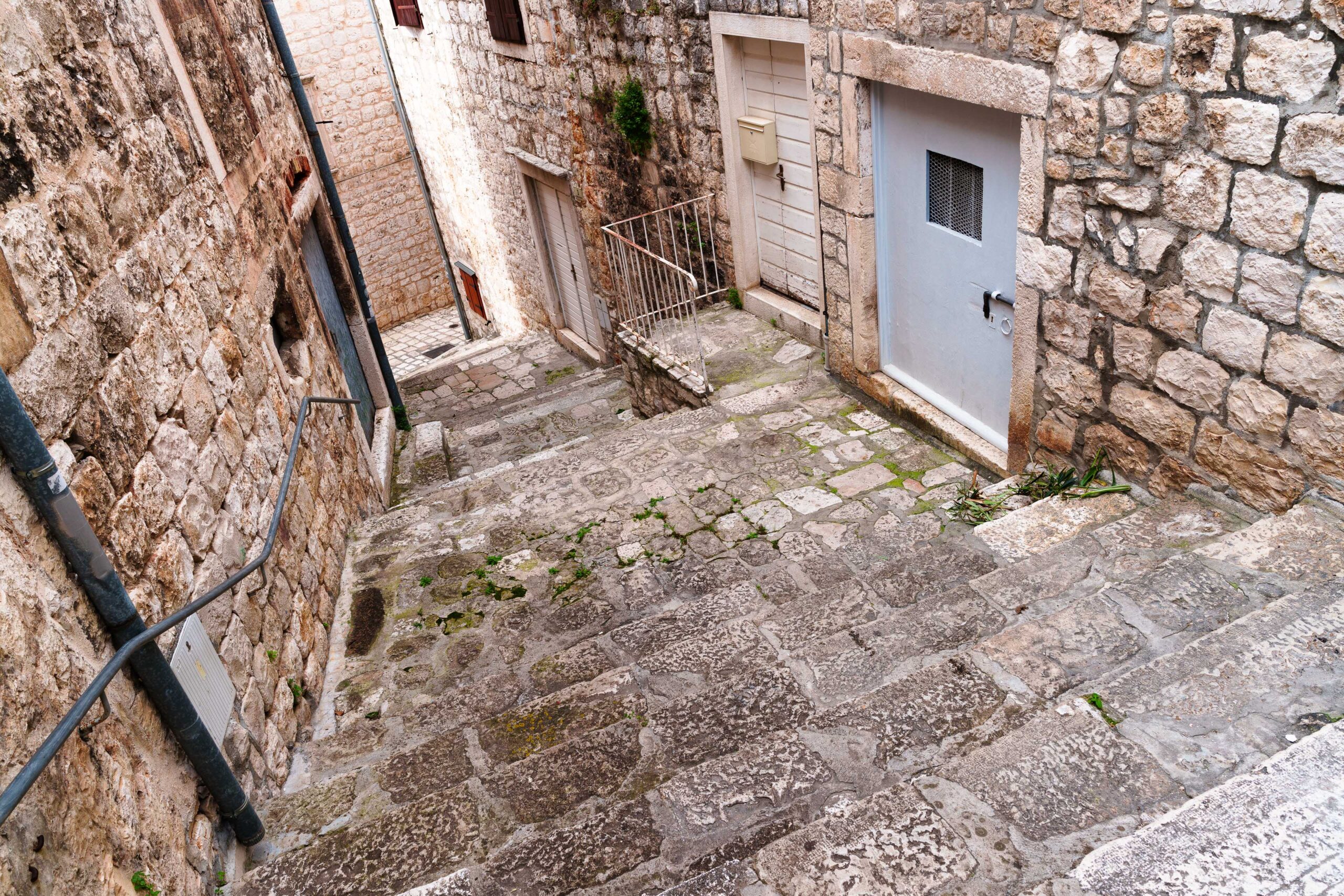 This was in the town of Hvar; it did everything great, but I noticed that I was too accustomed to using 50mm and longer lenses; all the compositions I initially saw were details and cutouts, and 24mm was initially a shock. I recovered better than Biljana did with her RF 16mm f/2.8, after using nothing wider than 35mm for years. Ultrawide lenses are definitely a thing of their own, and an acquired taste. Yesterday, I continued testing it in nature, while Biljana returned to the 105mm macro.
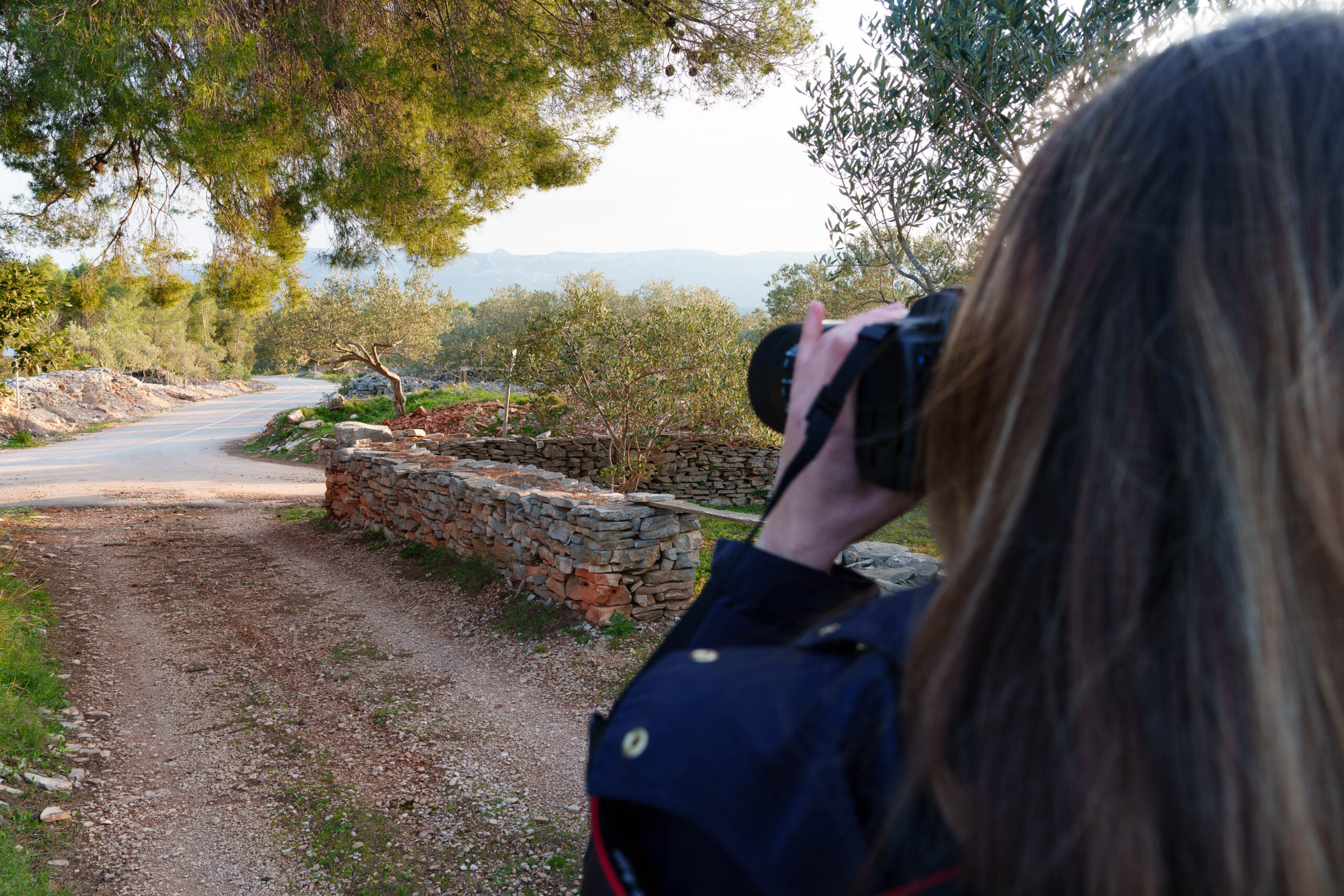
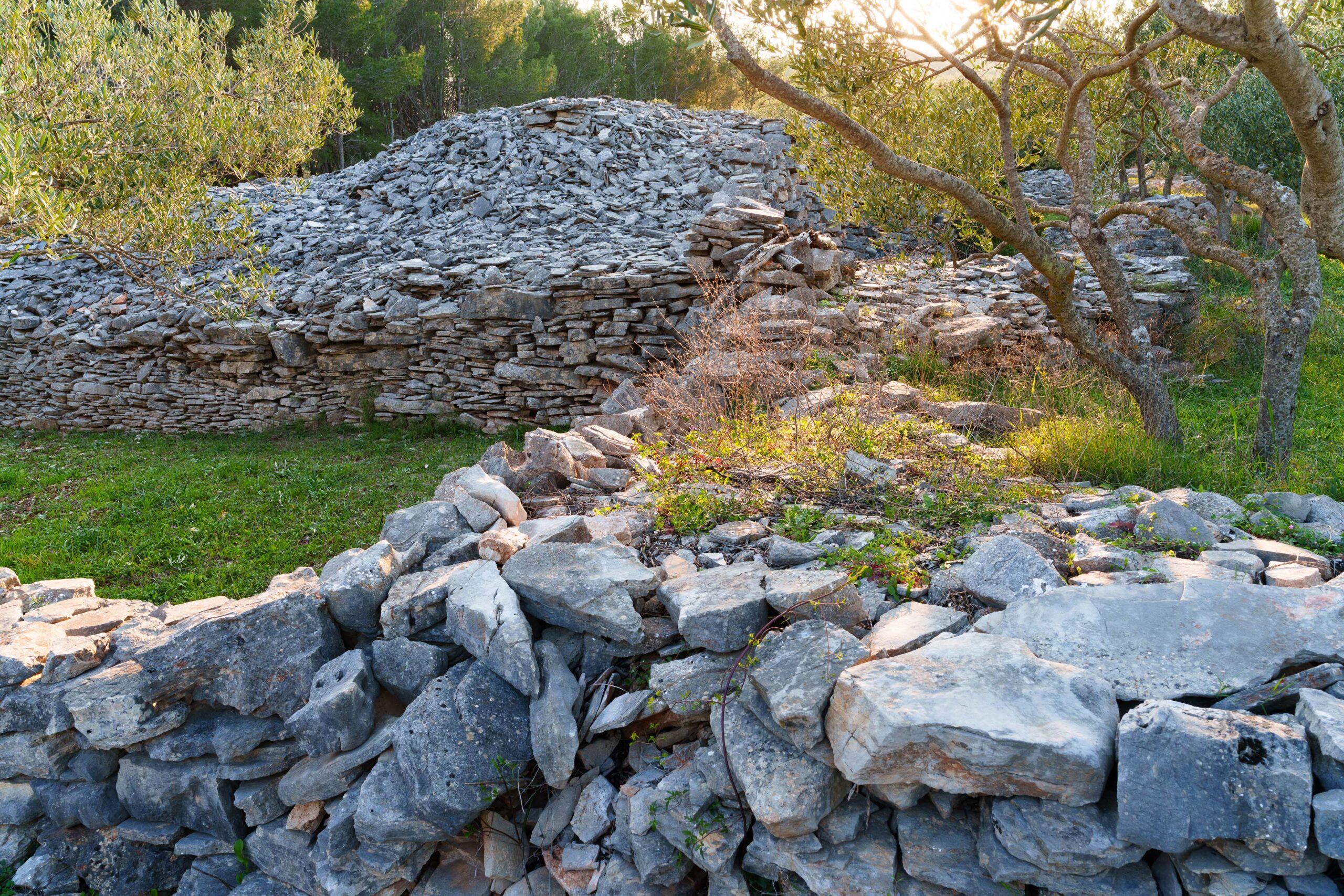
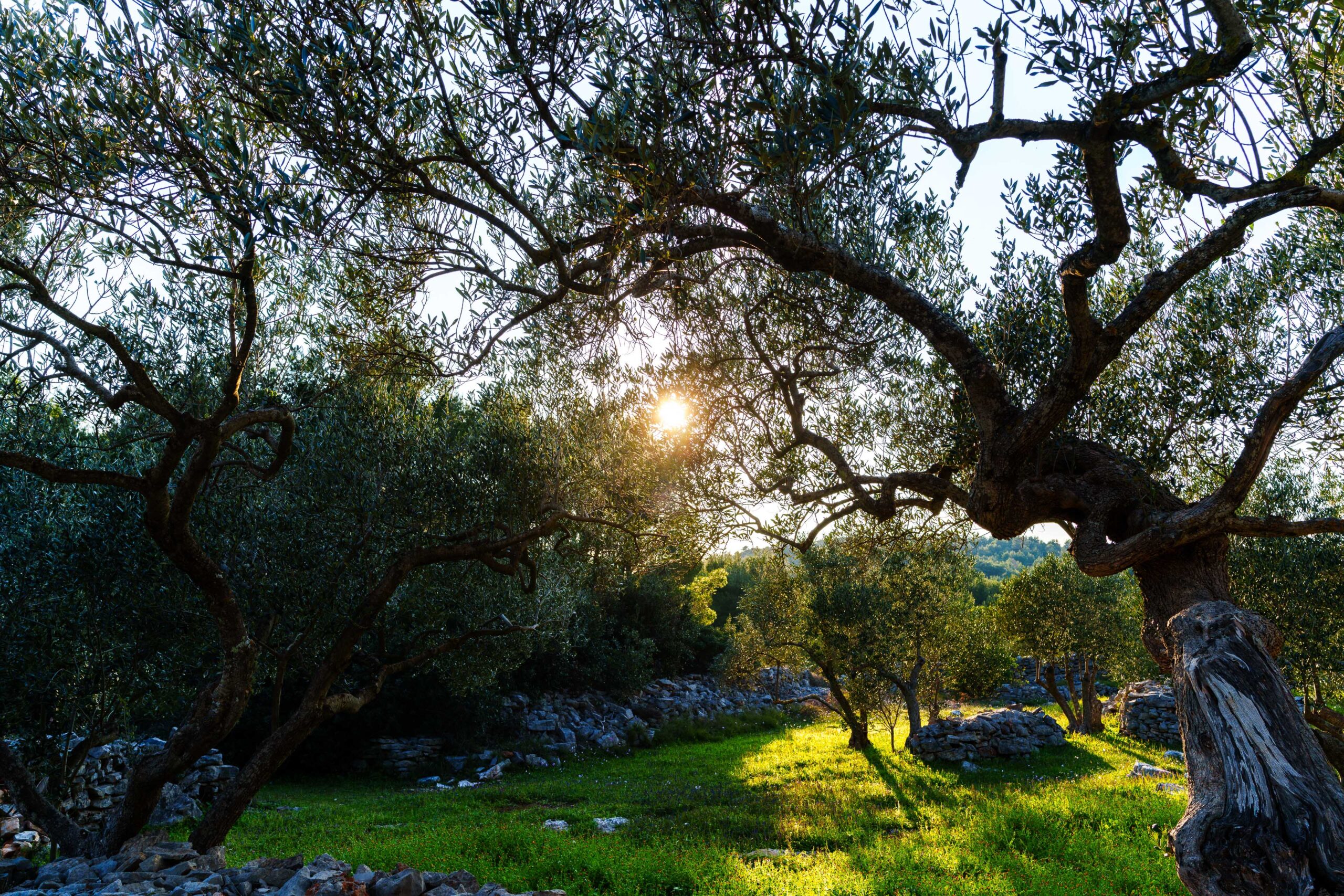
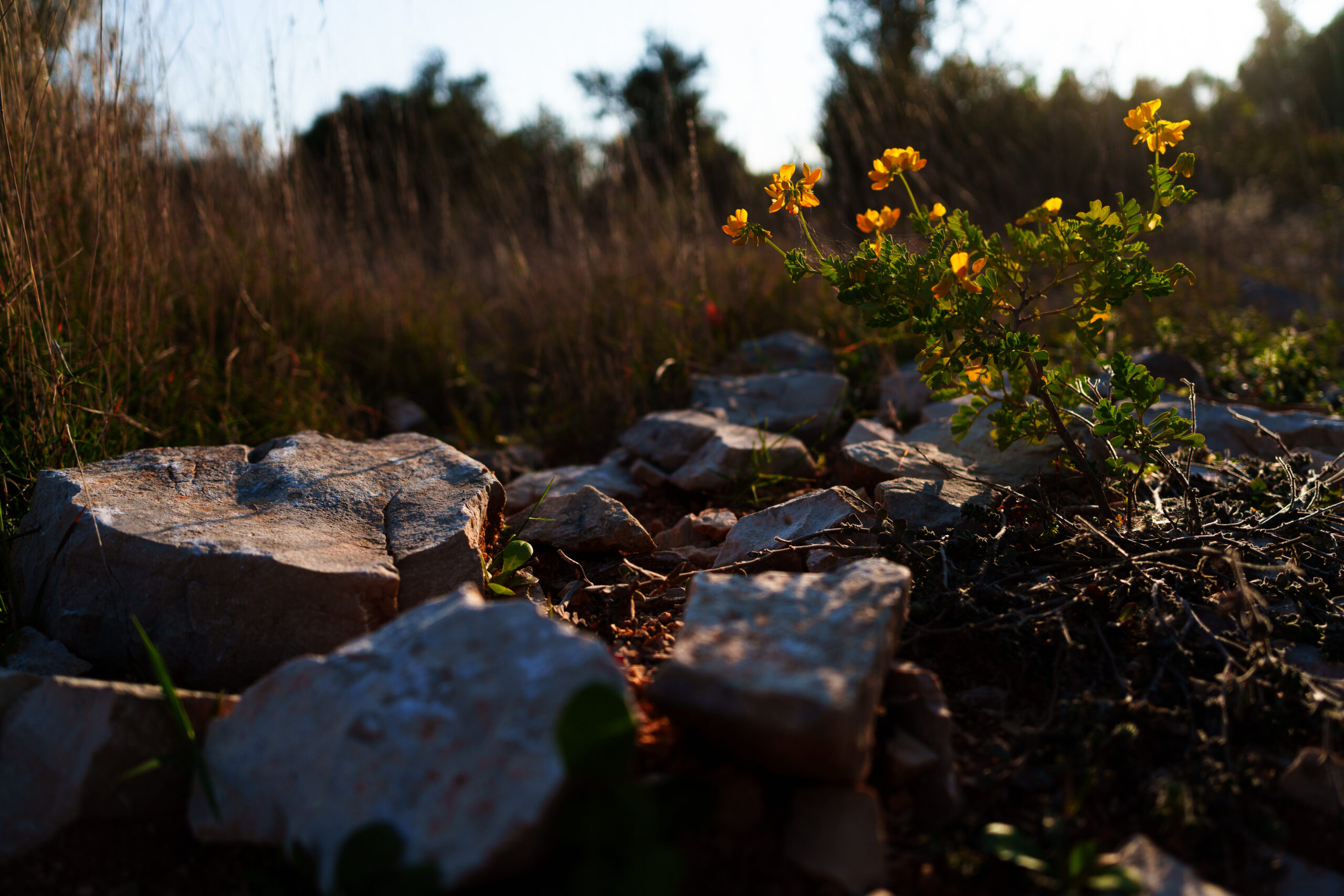
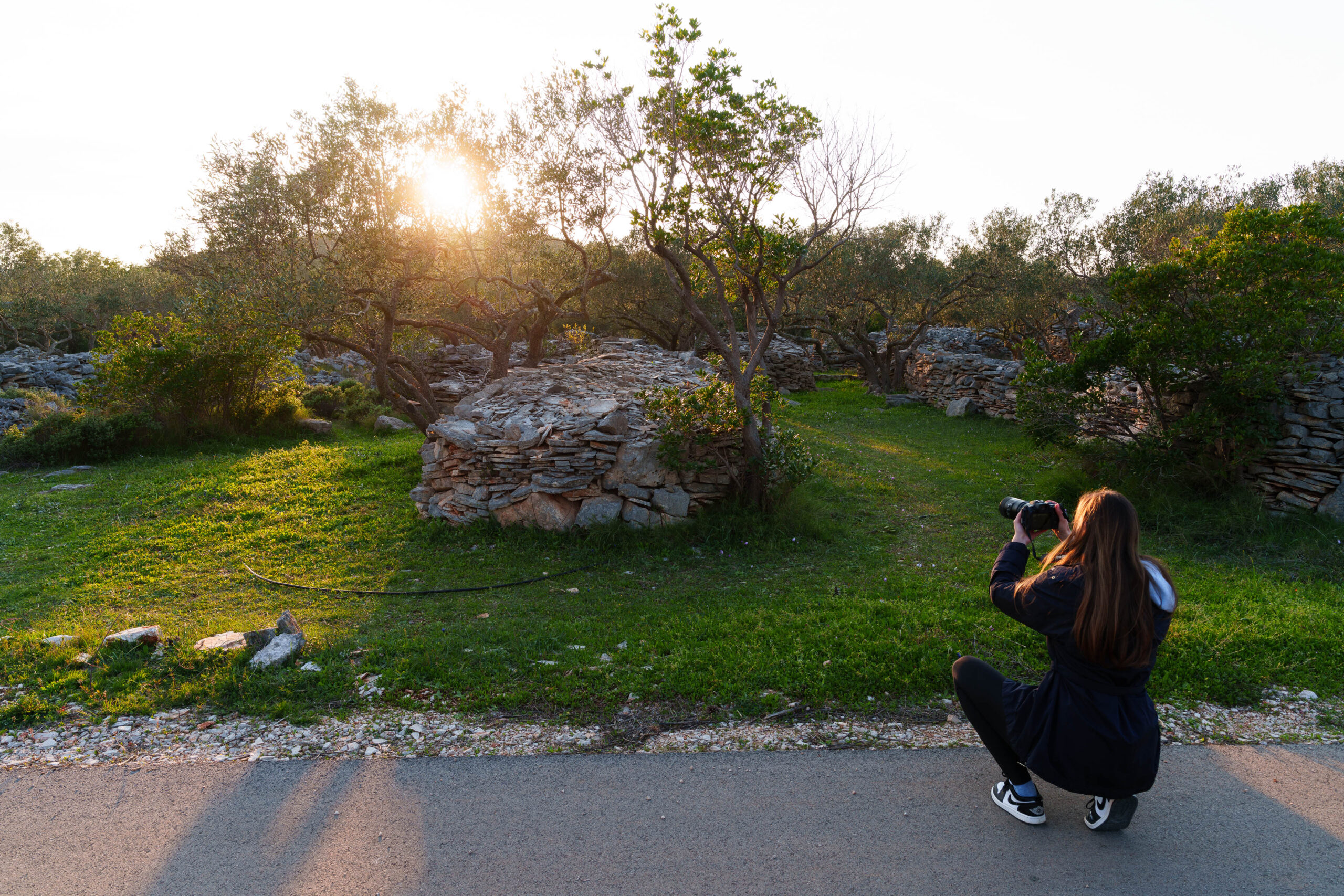 As you can see, it’s essentially like using the iPhone main camera, only with image quality that would not fall apart on a big screen or a big print. It’s obviously not something I would use every day, because the most interesting parts of the scenery are the small details that catch the light, and not the whole thing. Still, there are things that work great with a wide angle.
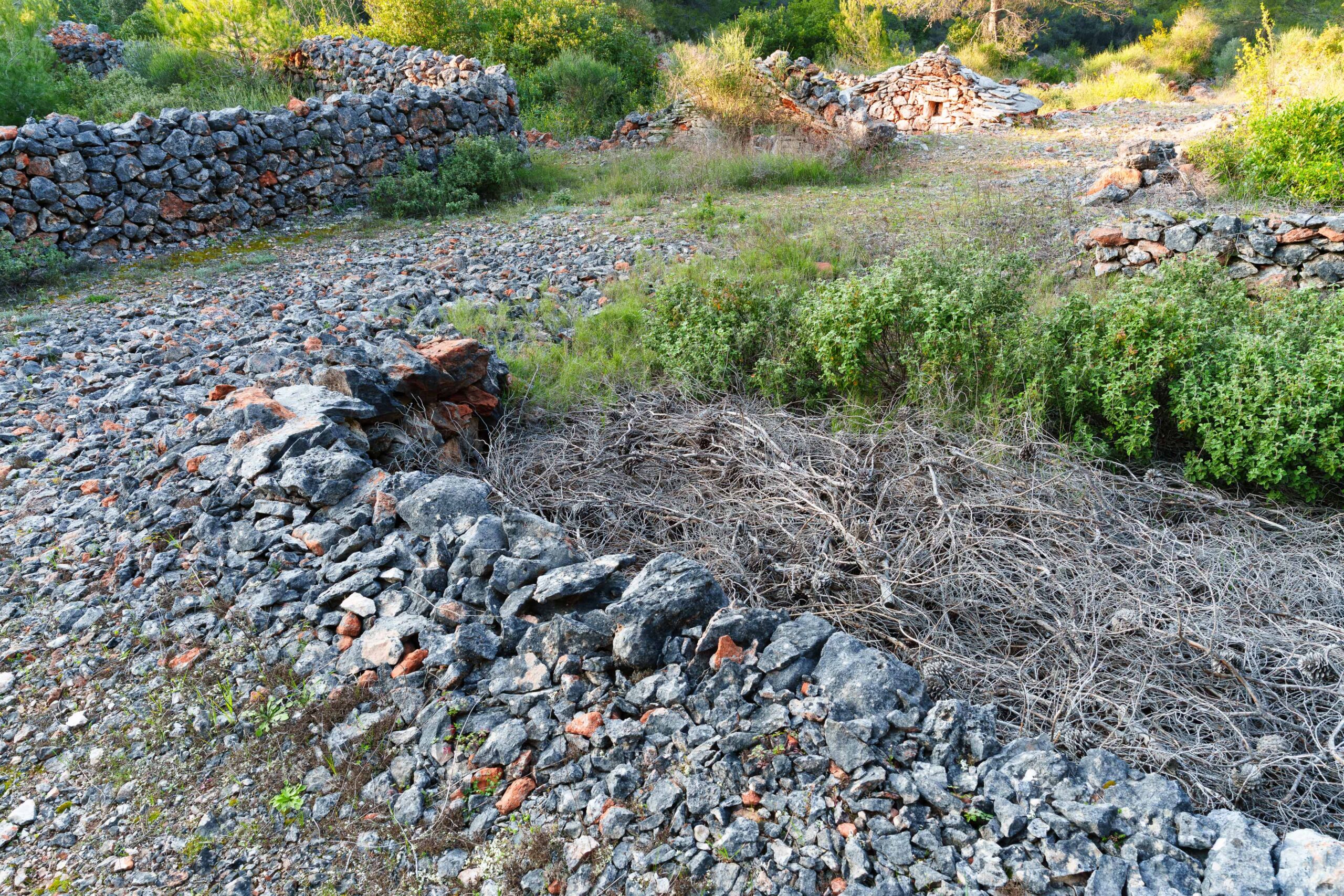 And that’s exactly what this lens is for, because normally I would have something longer on the camera – 50mm to 135mm – and when a wider scene appeared, I’d photograph it with my phone, because of course I didn’t take the Zeiss with me because it’s heavy for something to carry around just in case. Well, this lens is for just such cases; it captures the image width of an iPhone, only with the resolution of 4×5″ large format Velvia scanned on a Heidelberg drum scanner. And it’s pocketable. And there are no stupid lens flare artefacts that are a standard thing on an iPhone.
Do I want to use a proper camera and a proper lens to emulate the look of an iPhone? Well, there’s not necessarily that much wrong with the iPhone image, if you want everything to be sharp. I captured many good images with that camera, but the problem arises when I come home and see what that image looks like on a big monitor, and detail falls apart, shadows fall apart, and the whole thing looks overprocessed in the worst way. But the 24mm image itself is definitely something that sometimes works great.
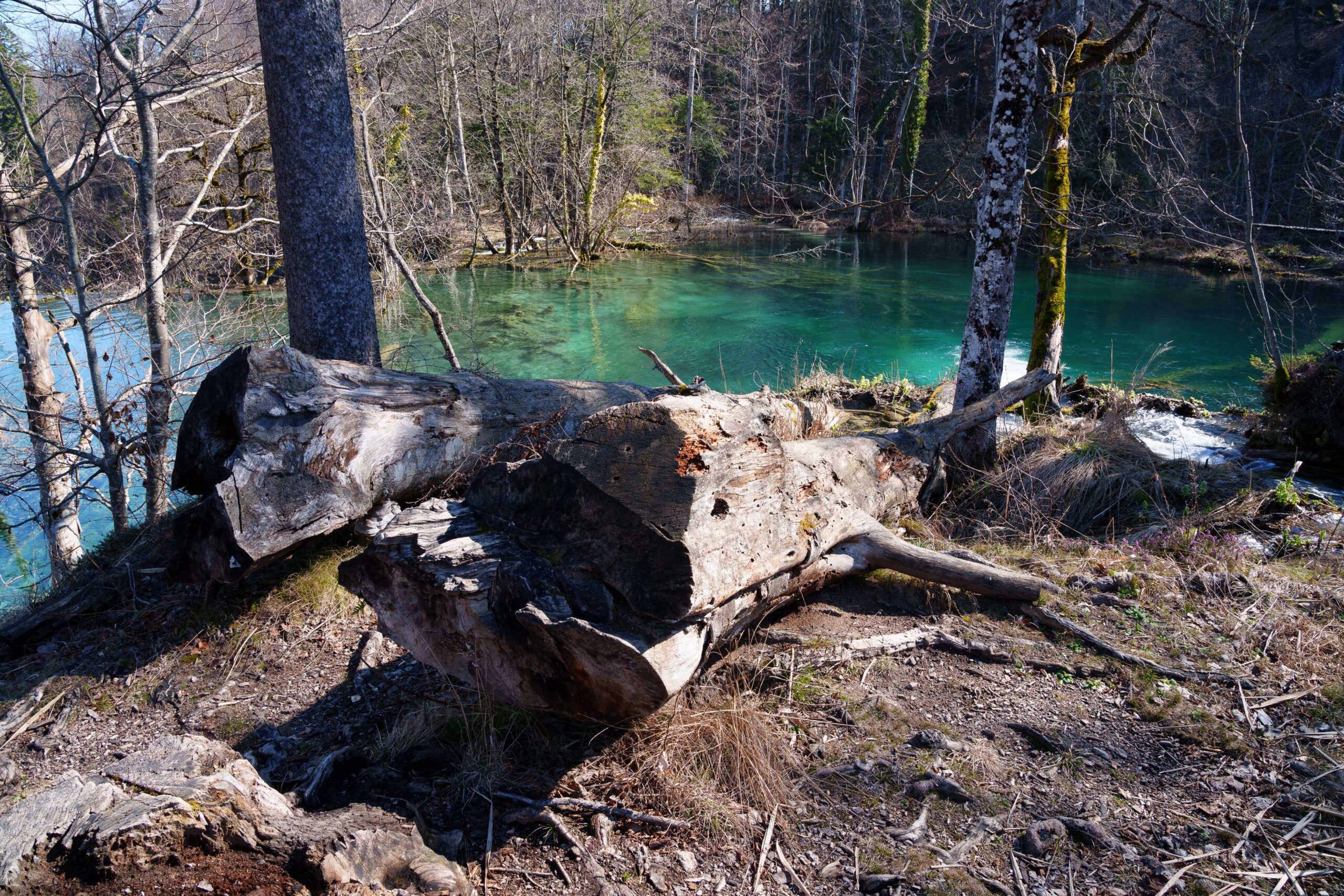 The answer to “can’t you just do it with the iPhone?” is of course I can, and on downsized pictures for the web you probably can’t see the difference, but I can. Also, with proper equipment, I can at any point make huge prints for an exhibition. With iPhone pictures, that would not work so well.