It’s easy for me to justify buying gear in hindsight: I just look at the things I did with it and it’s obvious why buying it was a good idea. Conversely, if it just sits there and I don’t use it because, for instance, the lens in question produces poor image quality, or it’s a computer that’s crashing randomly and I can’t risk my work, or a camera that’s so impractical to use that I feel PTSD at the very idea of taking it with me, it’s obvious that buying it was a mistake.
The problem, however, is in justifying equipment purchases proactively. I usually tend to think that my current equipment is fine. If it can’t do something, I can just find my way around it. Autofocus on the camera is slow, so I’ll just take pictures of static subjects. The lens is poor wide open, so I’ll just use it stopped down. I don’t have wide apertures so I’ll use a tripod. Basically, adapt in order to make due with what I have. Also, it’s hard to anticipate if something will be useful in advance, and so it’s especially hard for me to justify buying something very expensive that’s of merely hypothetical usefulness.
At some point, I had to stop my thrifty habits and come to an understanding: had I treated another person the way I treated my photography, it would have been extreme abuse and neglect. Need new shoes? Make due with the old ones, the holes aren’t that big yet. Need a new shirt? The old one is still fine. Need winter clothes? Just walk more quickly, you’ll get warm. Need food? No you don’t, you ate yesterday. Need pen and paper? Why do you need those, you don’t know how to write and you never wrote anything before, so you obviously don’t need it now.
Also, a reason why I didn’t want to buy new gear was because I needed a telephoto lens, and I knew it had to be a good one, and I also needed a camera with fast and smart autofocus to go with it, because my old camera couldn’t track insects. So, it wasn’t just a lens; it was a top tier telephoto lens and a top tier camera, all at once. It’s almost car money. So, after months of considering, I decided to buy both, and use it as an experiment that will determine the value of my purchasing justifications for future reference. If the camera and lens turn out to be rarely used, it will mean I just wasted money and my old thinking was good.

But the opposite happened – both camera and lens turned out to be exceedingly useful, and they allowed me to create lots of pictures I would never have made otherwise. Before, I had like three bees in flight in 20 years of photography. Now, I took five by noon. It was a serious, tangible improvement. Also, I could take pictures of landscape details that were out of reach before, also producing new things that used to be beyond my technical capabilities. So, what else do I want to do that’s presently beyond my equipment?
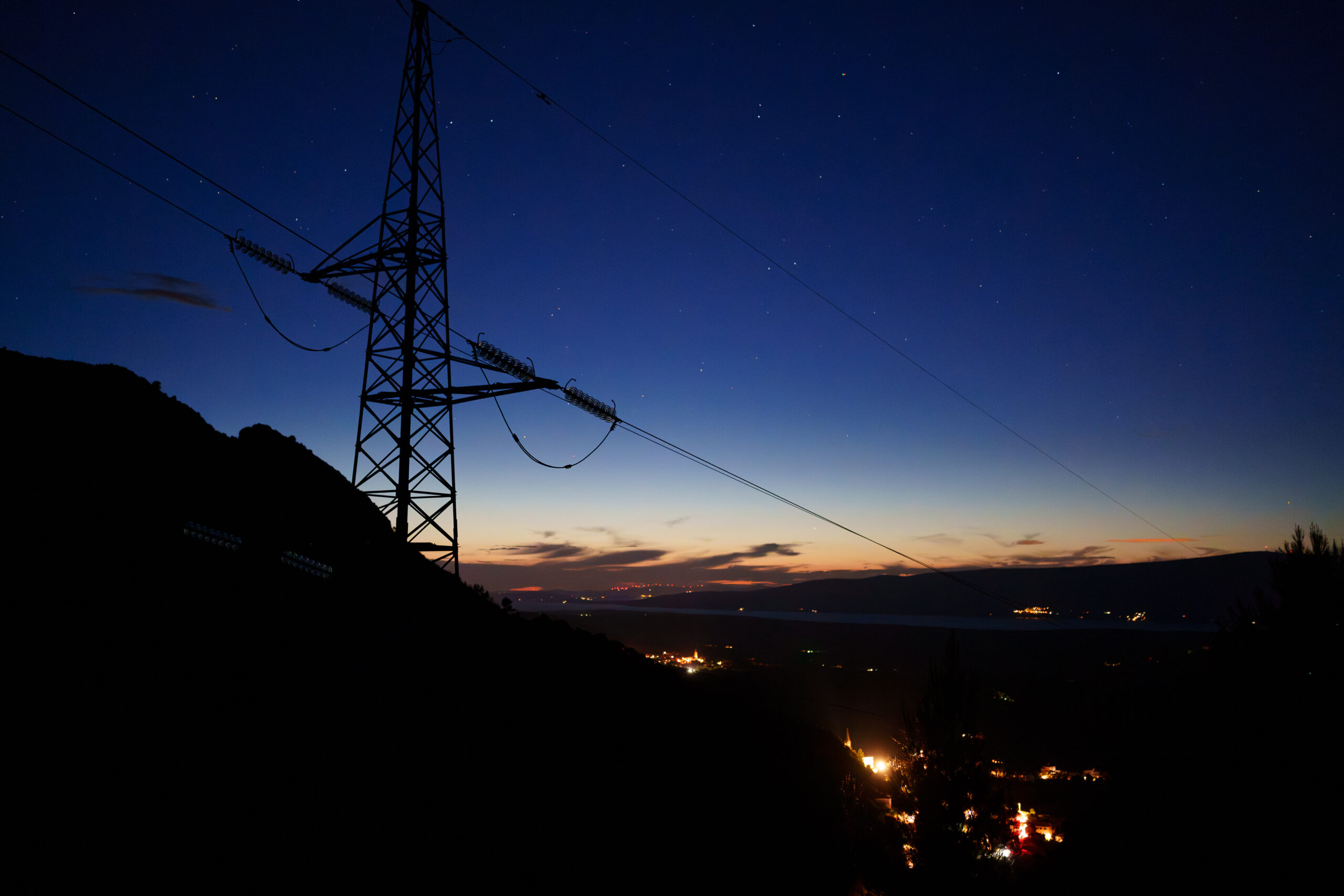
I realised that we go for walks in the evening and we don’t bring cameras along because we don’t have low light capability, or we try and fail with smartphones. So, I got lenses that are great for what we wanted to do, and again, we ended up with loads of photos that would have never been taken before, simply because we lacked the means.
So, now, in hindsight, it’s easy to say that I need a certain lens. I can show the results that would have never existed without it. I can justify a camera in similar ways. But where does one draw the line from this, because it’s easy to justify anything by saying it might be useful. A second car might be useful. A second house might be useful. Sure. But you need to see the downsides. A second car is a serious financial drain. It also introduces additional maintenance overhead, and wastes both money, time and energy. But what if my car suddenly breaks down and I am left stranded? Well, that’s a legitimate concern, but let’s see how it can be addressed. For instance, you can have an emergency fund deep enough to buy a cheap used car in an emergency. It can also be designed to fit all kinds of other emergencies, because having potential energy in form of money is better than betting on what kind of a dark horse might appear and break your plans. So, have an emergency fund, and have most of it in form of gold coins, because inflation is a thing, and also because fiat currency going to shit is a thing, and that’s one of the possible legitimate emergencies – currency collapse and/or hyperinflation.
So, that’s one way of doing it – have money reserves you can use to solve unpredictable failures and disasters. However, when it’s about things that actually help you do work and be creative, that method is useless, and you need to not just be ready to purchase equipment in case of need; you need to have equipment ready in case you want to use it.
It’s a balance between treating yourself and your work with neglect and contempt, and wasting money on stupid toys you got tricked into buying by watching ads that pretend to be reviews. There needs to be a reasonable balance, but where that exact line sits is a matter that needs to be decided by allowing yourself to occasionally fail and go overboard.

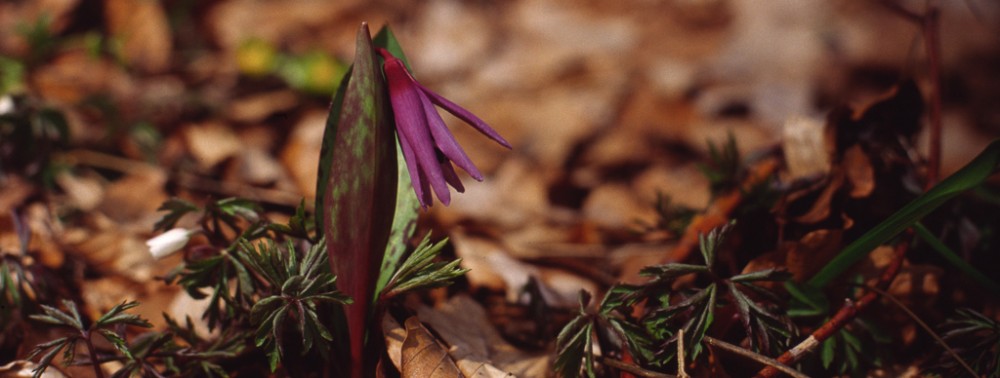
Made with the lens I thought I didn’t need.