
It’s not that I hate normal lenses. OK, I do, but it wasn’t always the case. My first lens was a 35-70mm f/3.5 standard zoom with 1:4 macro capability. Then I went to a digital equivalent of 28-105mm on Four Thirds; a very similar but even more versatile standard zoom lens.
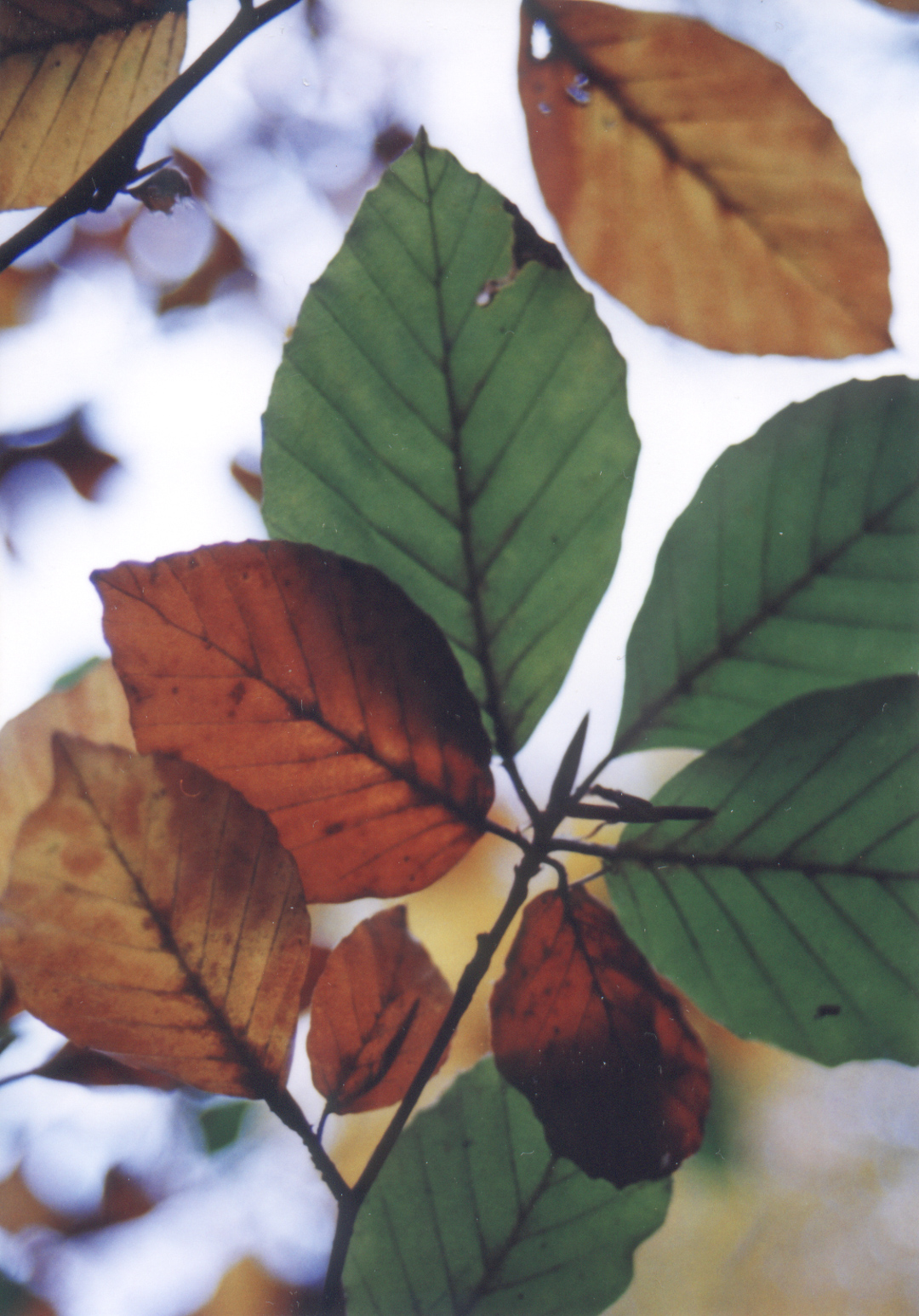
Minolta X-300, MD 35-70mm f/3.5, Kodak Gold 200 print film
When we count the years, I used exclusively standard zooms from 1984 to 2003, when I bought used Minolta 50mm f/1.4 and 135mm f/2.8 Rokkors, and a 28mm f/2.8 Vivitar.
Essentially, my entire photography thing was an intimate detail, and all I wanted from equipment was to photograph that well. Since I didn’t have the money for specialised lenses, I used the standard zoom, and for the most part it did fine; in effect, it did the job of a macro lens I didn’t have.
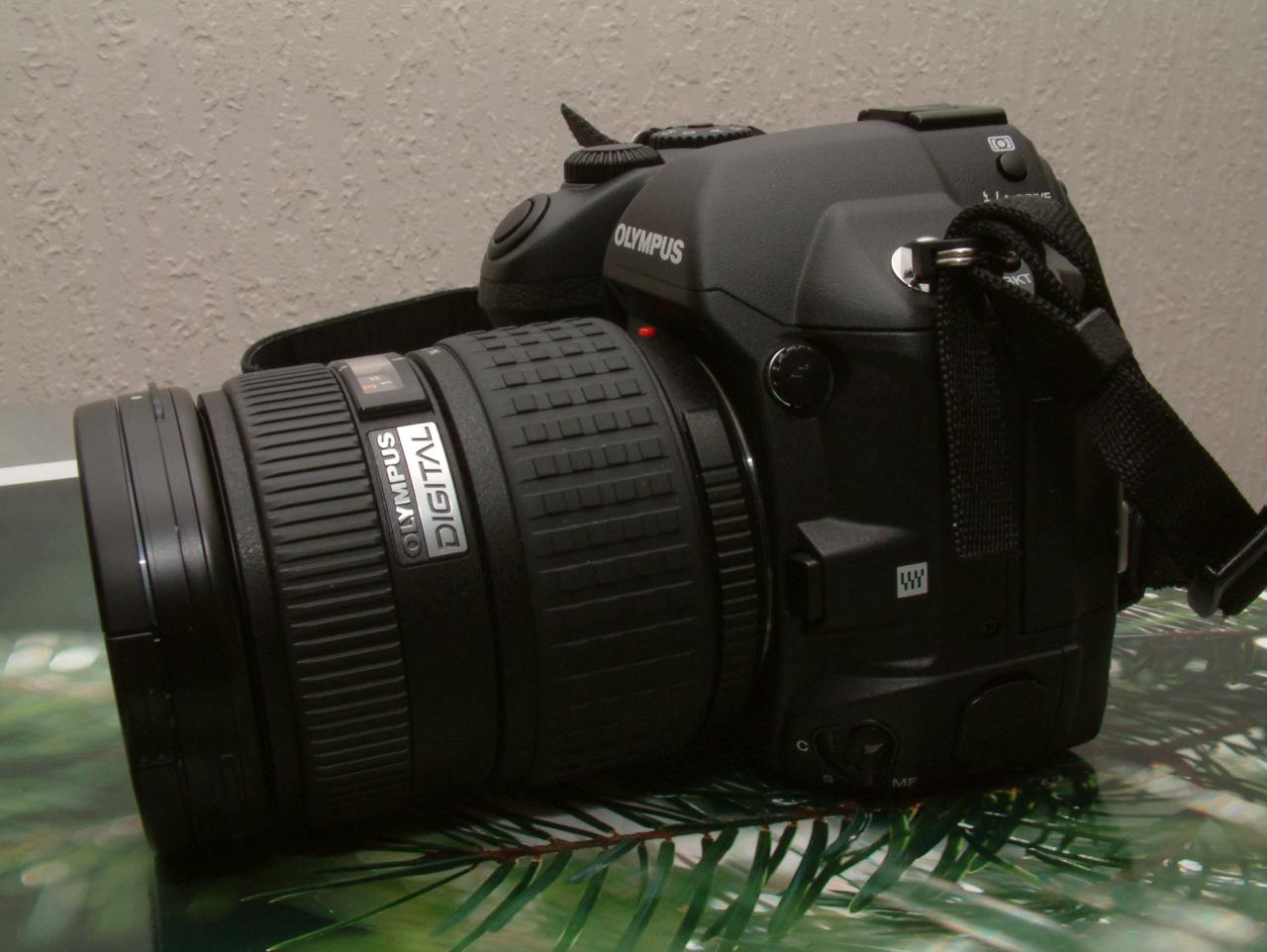
Olympus E1, ZD 14-54mm f/2.8-3.5
Then, when I moved to the Canon EF system, I decided I had two realistic options. Either continue the trend and buy a standard zoom lens, or force myself to learn other aspects of photography. So, I chose the latter and bought everything but the standard zoom. Sure, I eventually figured out that I actually need one, so I bought the cheapest one, the EF 35-70mm f/3.5-4.5, very much used, and made in 1987. I wanted to force myself not to use the standard zoom for everything.
That’s when I started learning landscape photography and other stuff that’s not closeup. It worked, and I developed my own style of creating atmospheric shots with everything in focus and everything in the frame, with a diagonal fisheye and a 17-40mm ultrawide.
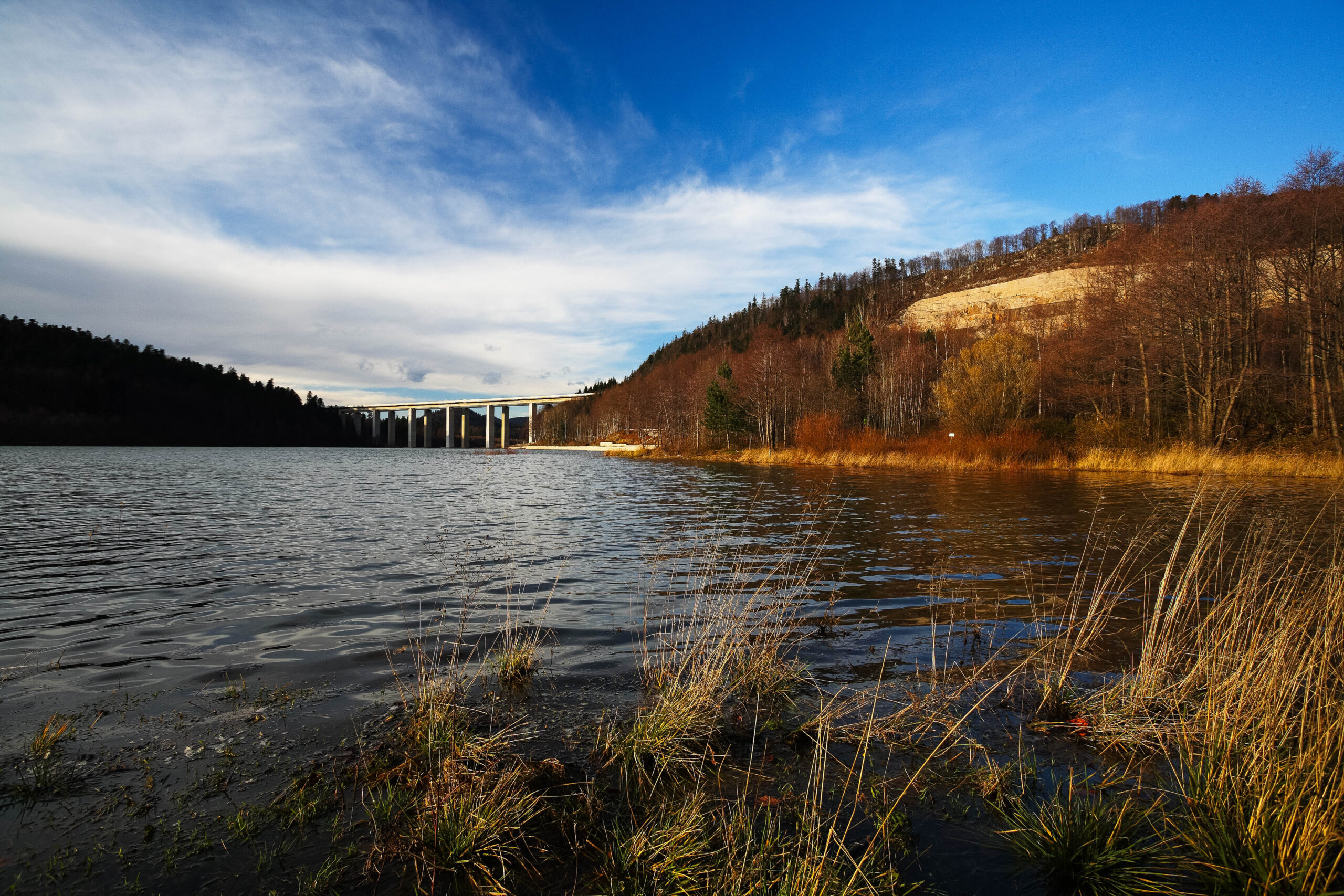
Canon 5d, EF 17-40mm f/4L, CPL
So, now I had two aspects of my style: atmospheric with everything in the frame and sharp, and a closeup shot of a detail that conveys the feeling.
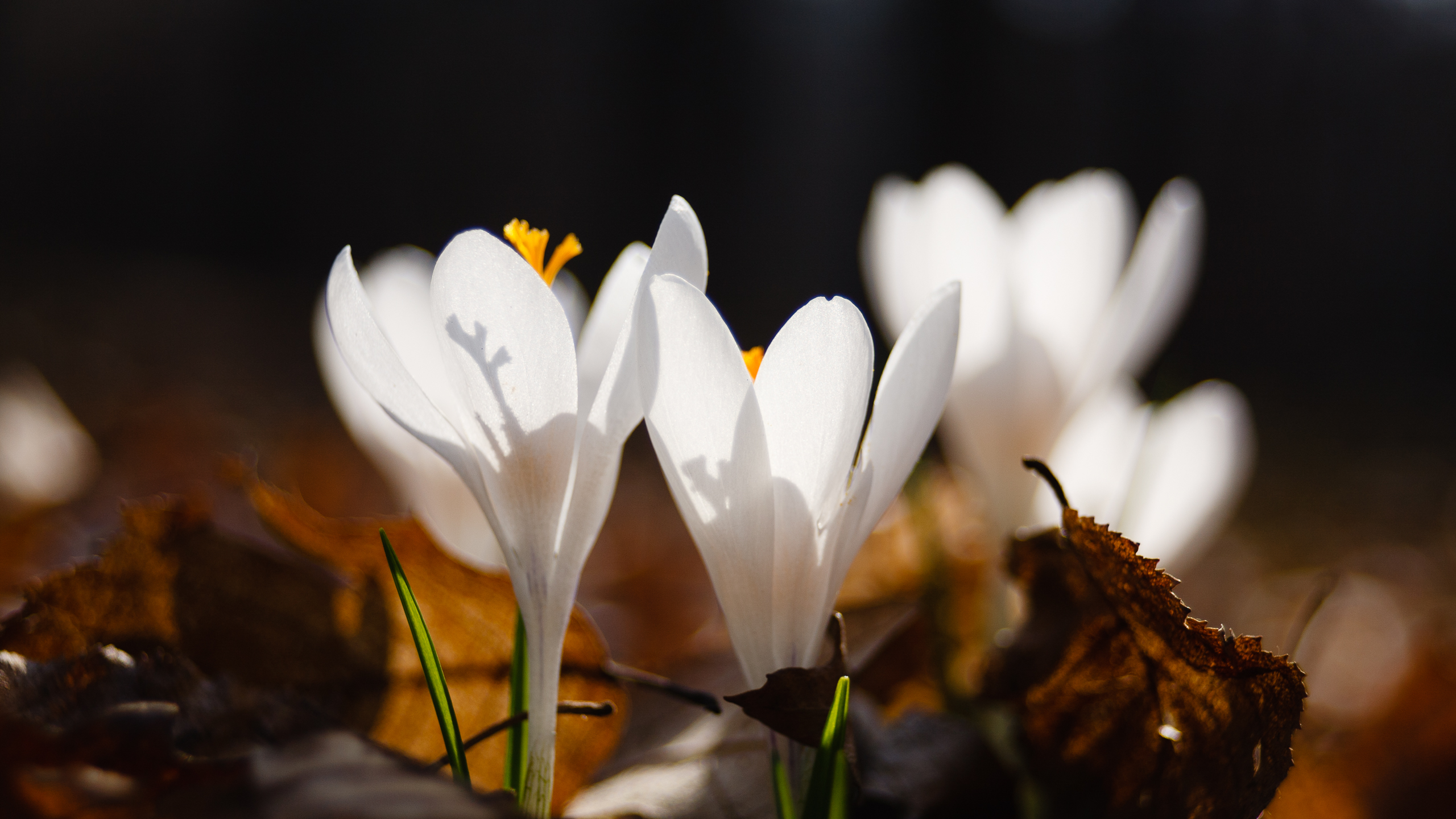
Canon 5d, EF 35-70mm f/3.5-4.5, macro extenders
Both aspects are extreme; essentially, either almost everything visible, or almost nothing visible but the detail I happened to notice somewhere in the grass. What’s missing? The normal, typical perspective. Or, to be honest, the kind of lenses and perspectives that were supposed to be normal for photographers were extremely uncommon for me. To me, it’s either light through the petals, or the whole scenery.
Or is it?
Recently, I understood that for someone who almost never used a “normal” lens, or at least doesn’t use it in a normal way, I have a pretty good collection of all-time favourites made with 50mm, and with normal perspective.
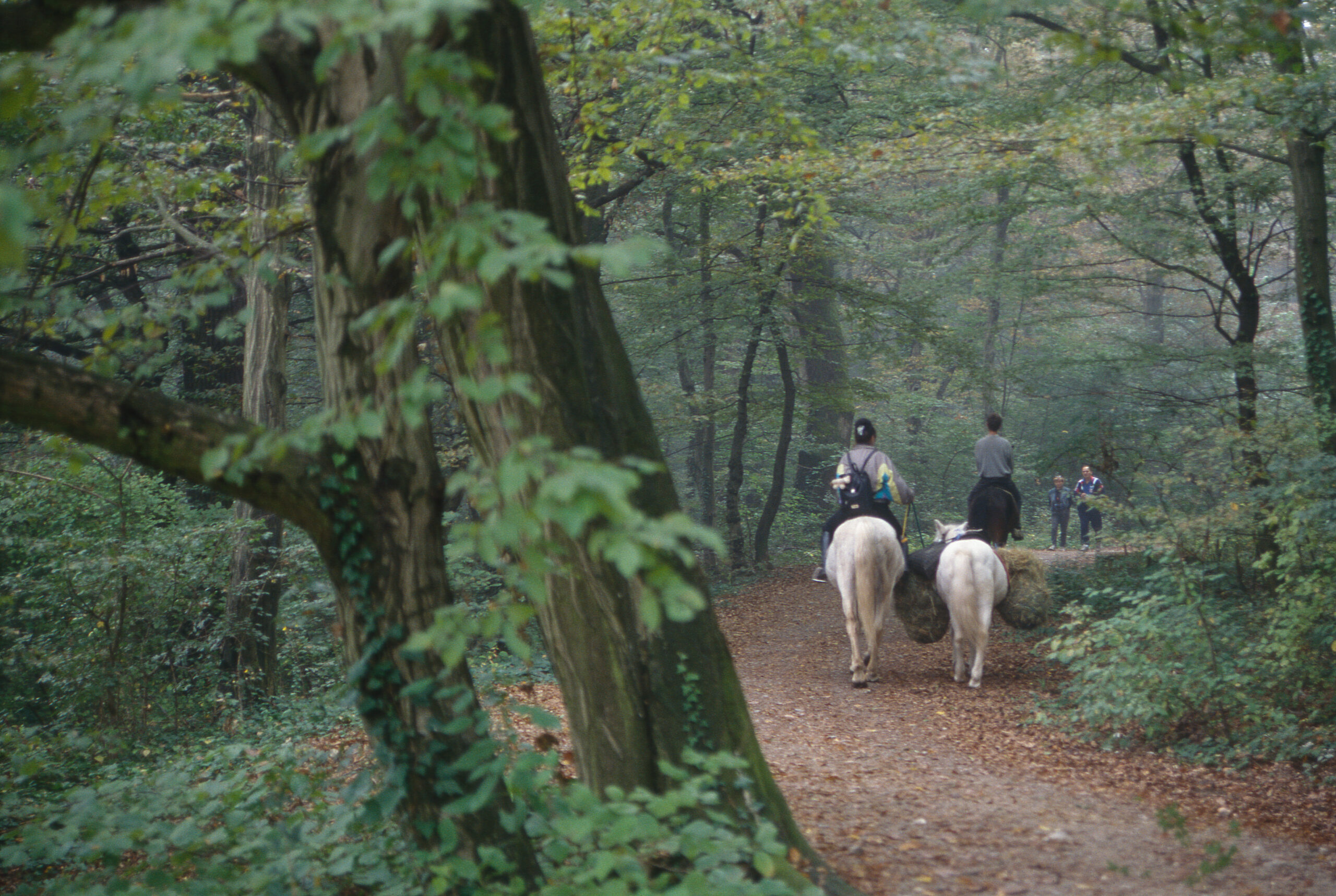
Soligor SR-300MD, MC 50mm f/1.4 Rokkor-PG, Kodak EB2 slide
This made me rethink the 50mm and the “normal” perspective. It’s not that I hate it. I hate that it is neither macro nor ultrawide, but when it works, it really works. So, I’m revisiting it lately, but of course in moderation. I have the safeguard of still mostly using the 50mm as a stand-in for macro, in its closeup capacity, but I’m trying to find other subjects for it as well.

Sony A7RV, FE 50mm f/1.2 GM
I’m pretty stubborn in a sense that I’d rather keep doing things my way, than copy someone else’s style and methods if they don’t click with me. If everybody uses a 50mm because they were told that’s the way, I’ll use a 90mm macro because I like what it does more. However, it’s not that I don’t like what I’m getting with a 50mm. As I said, some of my favourites are made with a 50mm. I just have to find a way of doing my own thing with a normal perspective; that is, neither really wide, nor focused on a tiny detail torn from the surroundings. It’s difficult, because the usual reason why I go for the detail is that everything else looks like a mess, and when it doesn’t, I usually go for a wideangle.
But when a 50mm works, it works not because it’s a dramatic perspective of either great or small; it’s because it captures peace and serenity of the normal.