“Wait, I thought those Greek gods are made up nonsense, and what you’re saying now makes it sound like they exist”, Viktor looked at his wife with surprise.
Hermione smiled. “They definitely don’t exist as persons, but that’s very far from saying they are nonsense”.
“What do you mean?”, he bit into his croissant.
“It’s just a way those people understood complex ideas about human psyche and the world”, she tried to explain. “For instance, when one would approach things strategically and intellectually, they would say he had an inspiration from Athena. When one would fall in love, they would say they are under the power of Aphrodite. Poseidon is what they imagine sea would be like if it were a person. Basically, it’s a complicated system of stories that gives you an explanation of how things work, and it’s a very good system. It’s like the fairy tales that explain how things work in life, and it’s all personified, so bloodlust is Ares and technical craft is Hephaestus and so on, and some characters and their behaviour and thinking show incredible insight into human psyche, society and ways in which the world works if you’re trying to figure things out. For instance, the god of wine encompasses everything from levity and good mood to debauchery and madness, which basically tells you everything you need to know about the need for moderation. The goddess of beauty and love is intoxicating, but unfaithful, superficial and vain. God of war is bloodthirsty, rash, evil and cowardly. The goddess of magic is basically the devil at the crossroads. It’s a language of symbols like any other, and when you speak it, it becomes easy to intuitively understand how magic of certain things will interact, for instance why magic of the god of death and the magic of the god of war will produce a wand that will be better for killing people than for creating beautiful things, and why an enchanter will prefer something dedicated to the goddess of wisdom and god of music and art”, she smiled.
“Oh”, her husband scratched his head. “Now that you put it this way, it makes much more sense. So what you’re saying is they don’t exist as persons, but they absolutely exist as aspects of life?”
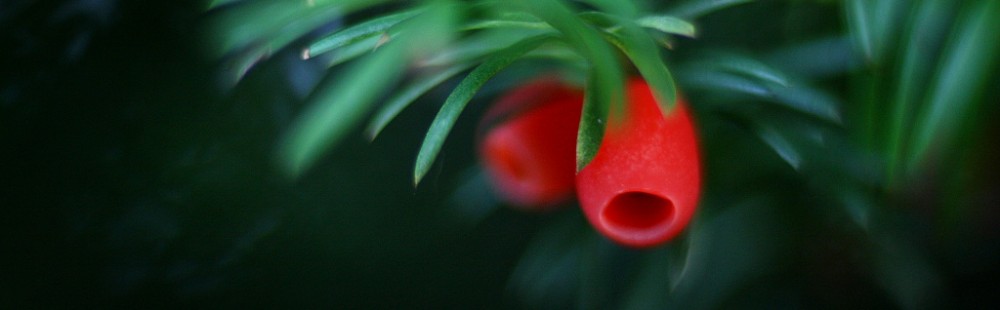
“Exactly”, she nodded. “I understood it as a language when I read Apollodor’s book on spells and wandmaking, but Ollivander had me really read up on it, all the myths that explain the character of various gods; why some tree is dedicated to them and so on. For instance, the Greek thought that winter is when the goddess of springtime goes to live underground, in the realm of Hades, and so all the plants that bloom and give fruit during winter are of the realm of Hades – things like poplar, pomegranate, yew and so on. It’s a way of explaining the specific feeling of magic of those things, so if you really wanted to make a wand that has the magic of death and the underworld, you’d choose something like poplar, yew or pomegranate as wood, and something like Thestral hair as its core. If you wanted pure power, you would use something sacred to Zeus, like oak as wood, and dragon heartstring as the core. Your wand is similar – hornbeam wood and dragon heartstring, which would be a marriage between Hera and Zeus. Hornbeam is associated with endurance, overcoming hardship and so on, which would put it in the realm of the goddess of loyalty and marriage, and dragon heartstring is a substance of power, fire and air, which is the domain of Zeus. This combination would work in specific ways that can be seen described in myth, where their marriage is flaky at best, but also the foundation of Olympus”.
“So, powerful and reliable, but flaky”, Viktor smiled. “I’m starting to see how this works, with emotional symbolism and personification of certain types and energies of magic. And I guess if you find a type of wood, like sandalwood, that the Greeks didn’t know about, you feel its magic and character and guess which Greek deity would like it?”
“Exactly”, she beamed. “For instance, usefulness and practicality would put a wood in the realm of Athena, sweet smell and beauty in the realm of Aphrodite, evergreen nature in the realm of Hades, affinity for sunlight in the realm of Apollo, and so on. Specifically, sandalwood would be in the realm of Aphrodite. A combination of several of those is possible, and it then allows you to combine it with appropriate cores, and bind the two with a sacrificial ritual dedicated to the appropriate deity, which means using a specific magical energy and substance to cure the wand and bind the elements together into a working unit”.
“I wonder how Gregorovitch did it”, Viktor rubbed his chin.
“I think every good wandmaker needs to have the feeling for the poetry and energy of the materials in order to understand how they will perform; I doubt he used the language of Greek myth, but I’m sure the Russians have their own myth and poetry”, she smiled.
“Indeed”, Viktor nodded. “And I already see how behaviour of trees in harsh winter and in bright summer of Russia would inspire him”, he got lost in thought. “Voldemort made the world much poorer by killing him”.
“Many good things were lost because of him”, his wife nodded in agreement. “But on the good side, it forced a change upon the society after the war, which might be for the best”.
“Things like Wizards finally having more children instead of killing each other over whose blood is purer?”, he grinned.
“Exactly”, she beamed.