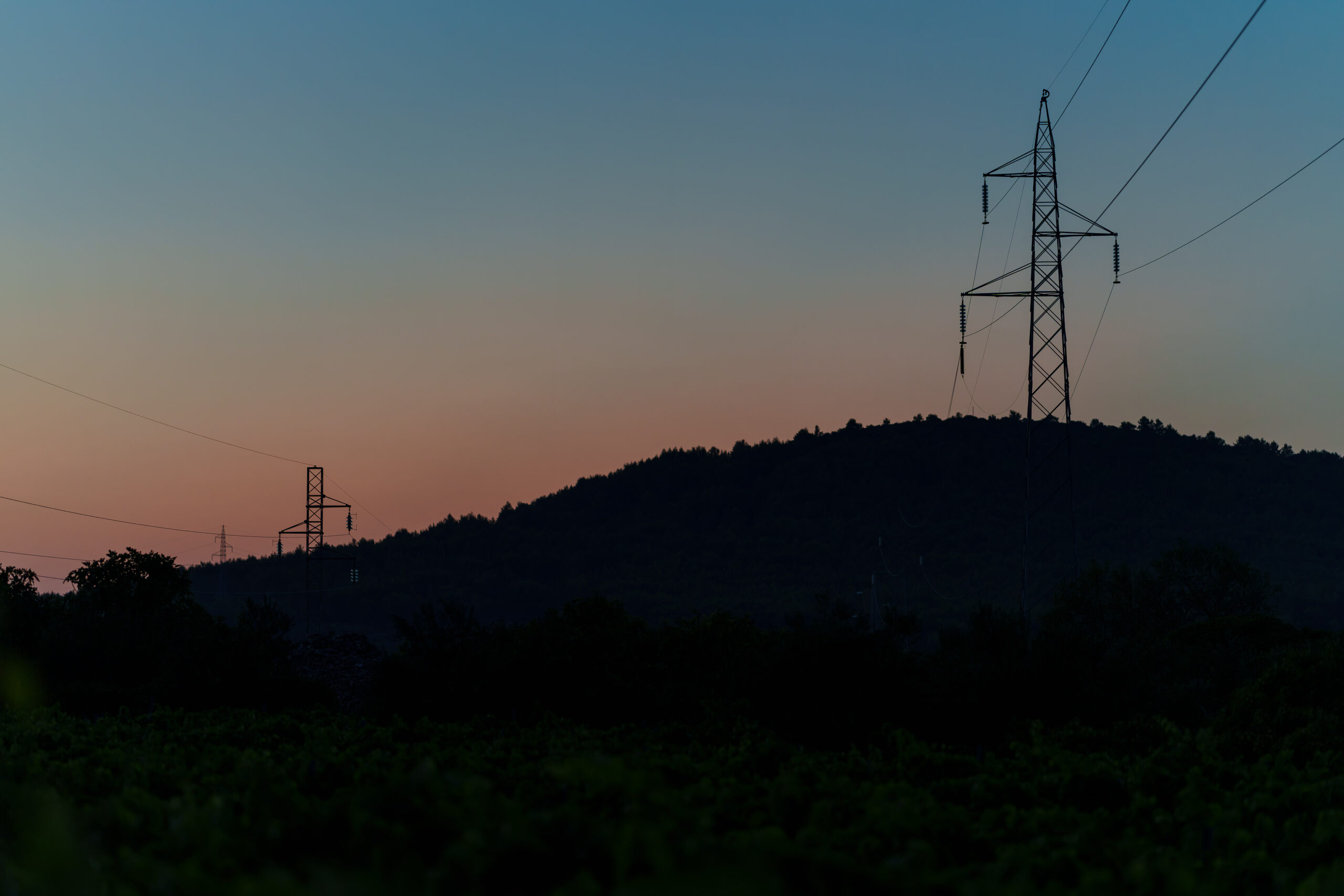
Standing hay

We went out for a hike up the local hill yesterday, regardless of the 35°C temperatures; we were just so incredibly done with being locked up under AC for three days in a row. Altitude helped somewhat, but it was still hot.

Dry grass and brush in golden sunlight is my favourite motive recently, and I wonder if there’s some symbolic meaning to it, or is it just aesthetics. The practical part of my mind is concerned with the fire hazard aspect of it, since it’s peak fire season and the island is covered in dry kindling.

Speaking of which, I watched footage from the Spokane, WA wildfire in America, which spread to the residential area and burned down 600-700 structures, and that’s data from yesterday morning, and the fire is completely uncontained. The worst part is seeing the houses burned down to ash, and green trees still standing around them, which means those wooden houses are by far more combustible than the vegetation, which is indeed an engineering anti-achievement, and the only other time I’ve seen anything like that was in the Los Angeles fire. Pro tip: in Europe, we stopped building houses from wood after everything burned down multiple times and we figured it’s a bad idea. We didn’t do it because we ran out of wood, but because we ran out of wooden houses.

Also, I heartily recommend just copy-pasting Croatian firefighting solutions instead of re-inventing the wheel. We made all the mistakes, corrected them, and now we have it down to science, and we are so much better at it than the Americans it’s not even funny, and we’re a small country of 4 million people. But I digress.

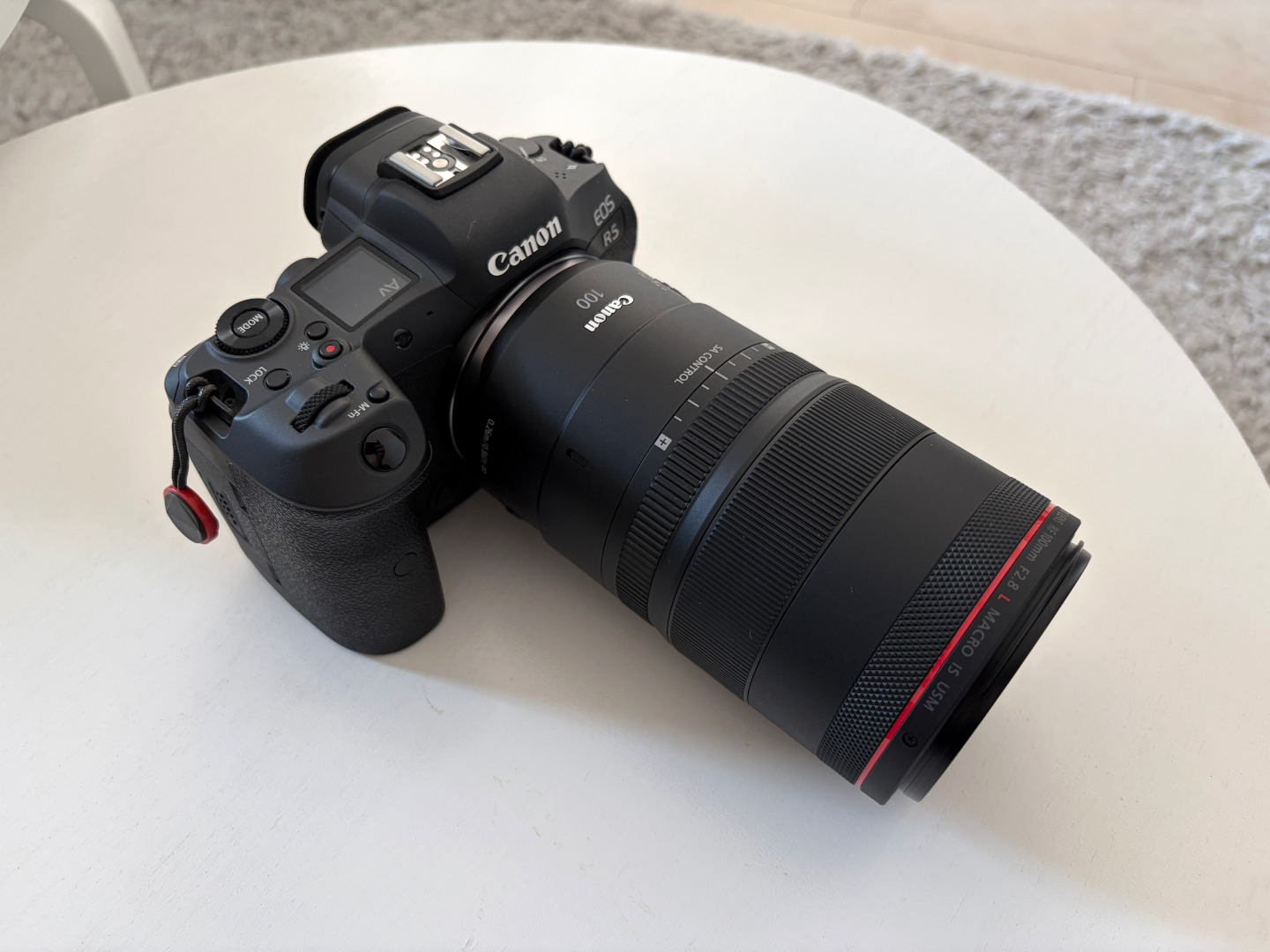
Biljana’s RF 100mm f/2.8 L macro just arrived:

That’s the first time that we had to replace an optically perfect lens (Sigma 105mm f/2.8 EX DG HSM) because of electronic issues – focus hunting, aperture opening randomly, IS glitching or not working at all… It’s a shame, really, but it’s just a matter of having to accept reality that it’s malfunctioning, instead of countering it with “but it made such great pictures”. I think it’s better to say that we got excellent use from it considering the faulty electronics, and we also got it very cheaply used, so it gave us very good use for the money. But trying to push it further would mean that Biljana would leave the macro lens at home because she wouldn’t want to deal with the glitchy behaviour. So, now she has a lens that should be optically identical, except for focusing even closer, and everything that was broken on the Sigma should now work fine. The last two times we took pictures of hermit crabs I was getting much better yield with the Sony 90mm G macro, simply because she had to wrestle with the broken autofocus on a moving target in the macro range. The fact that she managed to get some good shots regardless is a testament to her skill and tenacity, despite the lens.

Taken despite broken electronics.

I’m thinking what the lesson is. Perhaps it’s that you sometimes just have to solve problems with money, instead of trying to wrestle with broken gear and trying to push through the pain. It’s not worth it.

Right reasons

I’d just like to make one thing clear.

When one is suffering from material adversity, and they think material solutions are going to improve their situation, for instance they are cold during winter because they can’t afford heating, they are eating bad quality food or starving because they don’t have money, or they don’t have a good housing solution because they are destitute, they are more-less completely justified in their thinking. Money would indeed improve their situation, because the problem is caused by the lack of money. Materialism, in a sense of desiring things for their material properties, such as desiring a warm blanket when you’re cold or a good meal when you’re starving, will indeed solve a material problem. I’m not saying you should not desire material things for their material properties. It’s only reasonable to do so.

What I’m saying is, don’t desire material things for their abstract, ideal or spiritual properties, because that’s bullshit and a trap. Associating spiritual conditions with material conditions is a form of projection and bondage of spirit to the material world, and it’s a terrible idea.

Basically, it’s perfectly fine to want a car that is comfortable, fast, safe and durable. That’s what a car should be, as a physical object, and you’re perfectly reasonable to want one. The problem is when you associate ownership of a certain brand or model of a car with some spiritual state or achievement, and you think owning it will mean that you made it, that you attained success.

In fact, it’s going to have only its physical properties, and its brand-related social-status properties are going to have some effect, but never what you hope for or expect, and sometimes the exact opposite. Illusions of that kind are notoriously fickle.

Buying for the physical properties is, for instance, how I buy lenses. It’s a matter of how sharp, what aperture, how free of optical defects, how heavy, how well built, and how expensive. I make a list of all those properties and the winner is usually the lens that has the best image quality, but not at the expense of twice the mass and twice the money. It needs to be a reasonable balance of properties. Also, brand name doesn’t actually mean much to me. I owned so many brands of gear that I don’t care, but I will prefer the original manufacturer of the camera because of the possible incompatibilities of the electronics, because they are a thing, to the point that I recently had to replace Biljana’s Sigma 105mm EX DG OS HSM macro lens for Canon because the electronics were so glitchy or outright malfunctioning on her Canon RF system, that no amount of optical perfection could make up for the issues. It is one of the optically most perfect lenses I’ve seen, and it was replaced because it’s unreliable and possibly electronically faulty.

I don’t give a shit about mythical brands and their mythical properties. I care about tangibles, about actual performance and what I personally perceive of image quality. I care about the brand being well adopted in the professional circles, because then it’s going to continue to exist and the system isn’t going to die and force me to change it. Also, if it’s popular, the manufacturer is going to earn lots of money, and that means new good lenses and cameras. That’s why I avoid small exotic brands. Give me something that the professionals use as their bread and butter system; if it’s good for them, it will be good for me. And the ultimate test is going to be image quality. If I’m not getting the image quality I want, I’m going to dump it. If it works for me, I’ll be as happy as a hog in a field of corn.
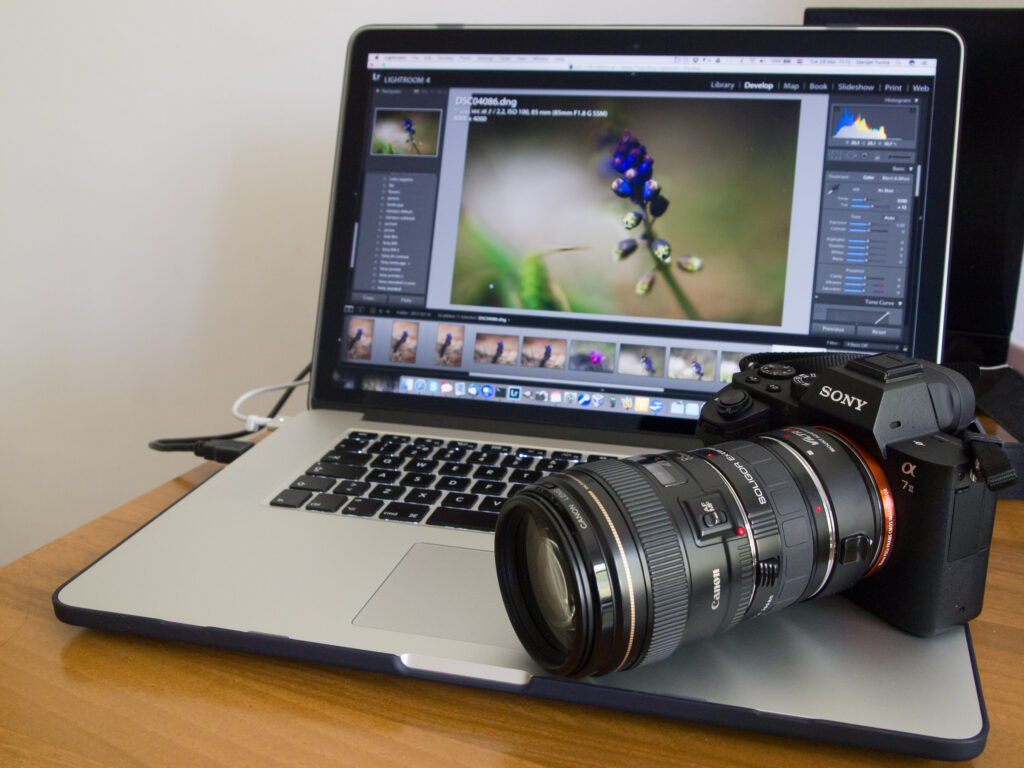
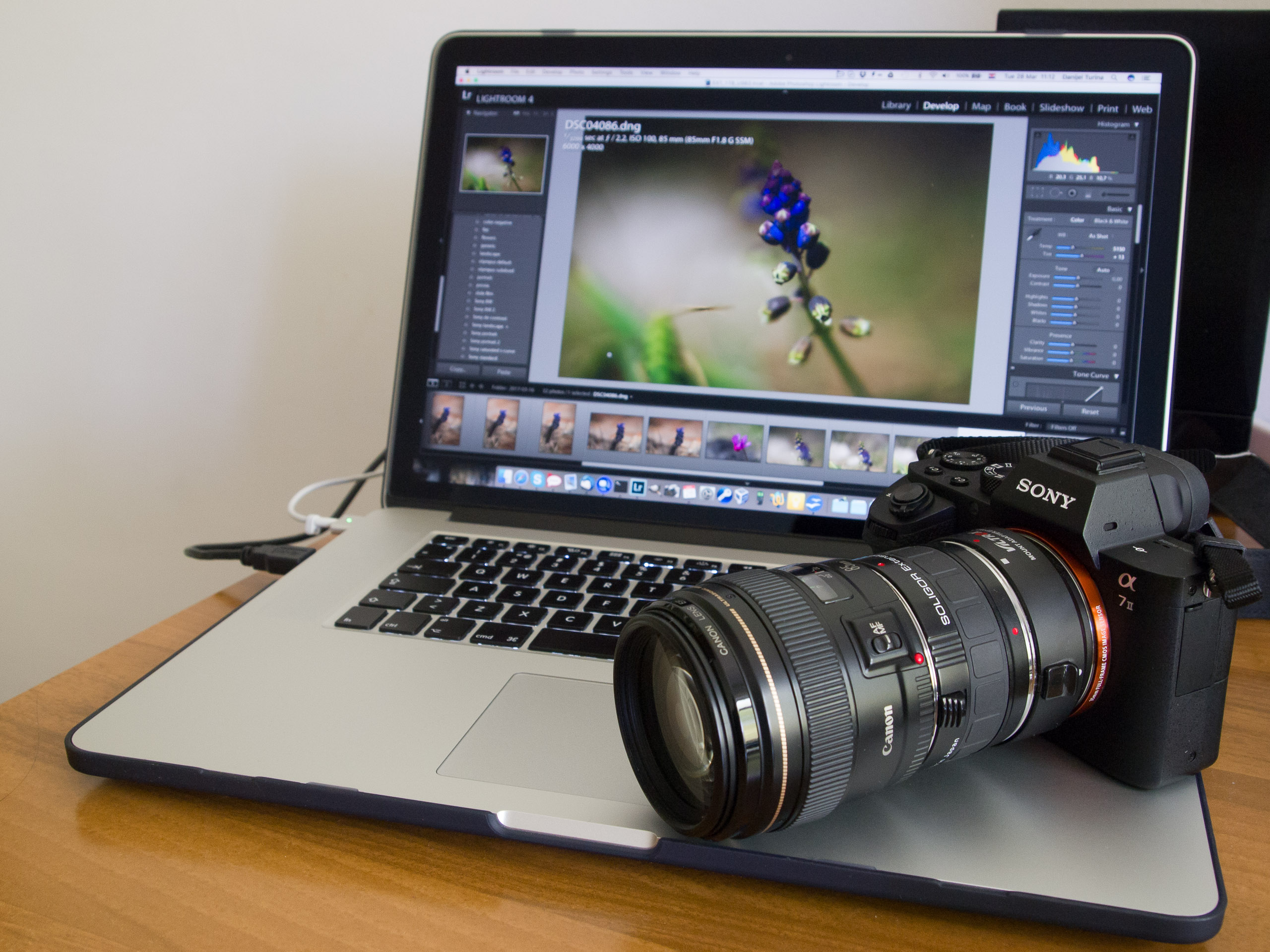
And what brand name is on what, I don’t give a single shit. I used to have a Sony camera, Soligor macro extenders, Viltrox adapter and Canon lens as a singular working system. As long as I’m getting the results, it might be literally anything. Within reason, of course; I won’t buy something that’s better than what I need. Some specialist professional piece of gear that’s super expensive and designed for specialists with needs different from mine will be shrugged at and ignored. I won’t buy it just because it’s great, if it’s not great for my needs. I certainly won’t aspirationally buy Leica or Hasselblad just to look “serious”.

So, materialism, in a sense of buying physical objects for their physical properties and function. I heartily recommend it. Idealism, in a sense of aspirationally buying exclusive branded items for their elusive spiritual properties… fuck that.


The world of small

There’s a lens I bought about ten years ago, and it’s so good, I later ended up buying lots of other lenses with a demand that they be technically as good, because nothing is better.

It’s the FE 90mm f/2.8 G macro.

No, this is not [The Great Agarus – Lvl. 225]; it’s a hermit crab. 🙂 I love that lens. I kind of overused it, having it glued to the camera for years and using it for everything, so I lately used everything else more, but boy, is it good.


Vulgar materialism

I had a weird experience on a photographic forum in the recent months. Essentially, I was praising the optical qualities of a cheap lens, the Sony FE 28-60mm f/4-5.6, and someone reacted as if the very possibility of a cheap lens being as sharp as the top quality lenses was a personal insult to his pay-to-win worldview.

This is why people mischaracterise the FE 50mm f/1.8 as a “beginner lens”, something you “graduate from” to a more expensive, high quality lens. It just can’t be that a cheap lens can be good. It’s good if you don’t really have experience with the expensive stuff, but if you did, if you could afford the expensive glass, of course you would get it, right? Praising cheap lenses is certainly a coping mechanism for poor people.

FE 28-60mm f/4-5.6

I find this line of thinking extremely annoying. OK, I understand there are insecure people who are trying to turn everything into a status symbol, and it’s probably some aspect of aspirational buying characteristic for people of a materialistic worldview, who think possession of things gives them value. It’s also why sharpness became so overused in assessing picture quality; it’s measurable, and it’s also highly dependent on equipment, and as such, you can make it into a pay-to-win proposition; he who has sharpest pictures wins, and he who has the most money will be able to buy equipment that makes the sharpest pictures. So, obviously, my proposition that a 200 EUR lens can be as sharp at f/8-11 apertures as any expensive GM lens is something that is seen as so incredibly offensive to the materialistic worldview, that it needs to be rejected as outright preposterous and clearly a coping mechanism of someone who can’t afford the GM glass.

Only, I can. I have a pretty extensive collection of high grade lenses, and I do actually know what I’m talking about. As far as sharpness and resistance to flare are concerned, the cheap 28-60mm zoom really does hold its own against glass of the highest grade. This makes it ideal for some use cases. People should be happy about it – after all, if a cheap lens can do the job, they don’t have to waste money on an expensive one, right?

You would think, but that’s hardly the case. It’s as if being inexpensive automatically makes a lens suspect. Even if people are happy with the lens itself, they will “upgrade” from it as soon as possible, simply because it’s cheap and they don’t wish to be associated with cheap equipment. It’s for the beginners, for people who don’t really know.

FE 50mm f/1.8

Do you know what I did after I bought the FE 50mm f/1.2 GM lens? The best, sharpest, brightest 50mm prime? The replacement for my FE 50mm f/1.8 “nifty fifty”? I kept using the cheap f/1.8 whenever I needed a light, inconspicuous, versatile lens. As for the f/1.2 GM, it’s absolutely great. Completely free of the optical flaws the cheap lens manifests wide open and against the light. Autofocus is instantaneous and incredibly accurate, unlike the cheap lens, whose AF is its worst aspect. But the secret is, from f/2.8 onwards the two lenses are mostly indistinguishable. The cheap lens is optically extremely good when you use it the way you should for most things. Of course I kept using the 50mm f/1.8 for things where it’s actually better; things like keeping it light and not looking like a professional.

So, I didn’t “graduate” from a cheap 50mm lens to a professional one. I didn’t replace the cheap lens. I merely added a new high-quality tool to my arsenal. The cheap lens is still excellent and I use it when the advantages of the more expensive lens are irrelevant. For instance, if I am shooting landscapes in good light, both lenses are going to be used at f/8. Autofocus is going to lock instantly on both in this use case. Sharpness is going to be the same. However, one is going to be lighter to carry. As for the image quality, I already had situations where I looked back at the pictures and thought “ah, the f/1.2 GM is so incredibly sharp here”, only to look at the EXIF and find out that the picture was taken with the cheap 50mm f/1.8. So yes, I will have to disappoint the crowd that sees this as a pay-to-win competition where most money gets you the sharpest pictures. Sharpness is in fact one of the easiest things to achieve inexpensively. You do, however, have to know what you’re doing, which is a different matter entirely.

But if you can get sharpness at high resolution with inexpensive lenses, why did I even get all those expensive GM lenses? Because there’s sharpness, and there’s sharpness of that one single crisp detail in a sea of blurred-out colour.

FE 50mm f/1.2 GM

FE 50mm f/1.2 GM

Because I hate chromatic aberrations messing up my shots at contrasty details against the light. Because I like shooting in low light, when the colours are particularly “meaty”, and I like shooting wide open, at extreme apertures, while still retaining critical resolution in landscape shots. My photographic style is such that I can actually use those extreme optics for what they are made. I want things blurry, and yet clear and crisp at the same time.

FE 100-400mm f/4.5-5.6 GM

That’s the part that’s hard to get, and I had to pay through the nose for it. It’s just what it is. If I could get away with a cheap lens, be completely sure that I would have used one. In fact, I do have a few cheap lenses that I use regularly, because they are what works the best in some cases. They are not inferior lenses – merely inexpensive because there’s a compromise that doesn’t matter for my intended use case. For instance, I have a Sigma 24mm f/3.5 DG DN, which I bought very inexpensively, but its picture quality is stellar, build quality is incredible, and it’s very small and light.

Sigma 24mm f/3.5 DG DN

The compromise? It’s a f/3.5 lens, so aperture is limited compared to the more expensive lenses. I don’t care, because I shoot it mostly at f/8-11. It’s a wide angle lens; I don’t care to have extreme aperture on it, and I also already have one extreme aperture wideangle for the situations where I want to use it hand held with the stars visible in the sky. I need this one to be crisp, resistant to flare and light, which it is. It’s just not a bokeh monster. However, if you want optical quality, it’s absolutely top notch. It’s the lens I use when I want pictures to look as if they were taken with a smartphone, only without the stupid artefacts.

Being inexpensive, however, seems to be an unforgivable crime for some people. If a piece of gear is guilty of that crime, no amount of stellar performance can absolve it, and it needs to be avoided so that people wouldn’t suspect you of not having enough money to afford the “really good stuff”.

I’ve been thinking about this mentality a lot lately, since I keep encountering it. It’s as if some people have a desperate need of showing everybody that they have money. One would expect it to be something poor people do in order to hide their desperate financial situation, and they do. It is also, however, something very rich people do if they happened to have a really shitty financial situation earlier in life, like Andrew Tate. When he goes to a restaurant, he orders the most expensive steak. When a waiter asks him for his exact preference, it turns out that “most expensive” is his preference. One would expect a rich person to just order what he wants to eat that day, and not care about prices at all, and I am certain that most do. Some, however, always need to have the most expensive thing, so that people wouldn’t suspect them of being poor, because they were so traumatised by being poor, they started acting in the most ridiculously ostentatious manner once they got into money. I find such behaviour distasteful. If you can’t wear an excellent Seiko because of what people would think, or you can’t drive a normal car because of what people would think, you can’t have furniture from Ikea because of what people would think, and you can’t be seen with an excellent “kit zoom” on your camera because of what people would think, trust me, you have bigger problems than what people would think.